Beyond the ward: a guide to hospital services
The family support services, play spaces, therapy teams and quiet corners helping make repeat hospital stays a little easier for Australian families.
Large children’s hospitals often have an entire layer of support services sitting behind the medical care. Child Life therapists. Music therapy, sensory spaces, sibling support. Bedside entertainment. School programs. Family lounges, social workers who can help to relieve the pressure when you’ve hit the wall.
We’ve pulled together some of the supports available at some of the major Australian children’s hospitals that can make long admissions, repeat appointments and chronic care a little more manageable.
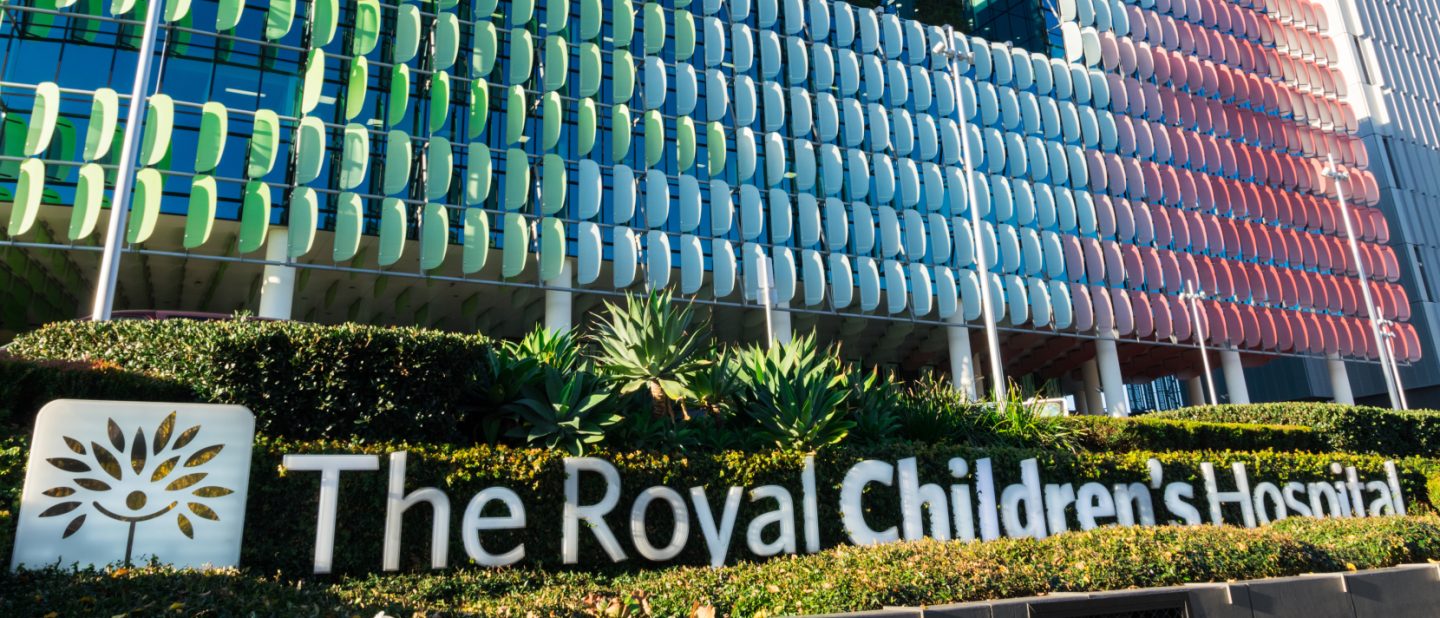
Victoria: Royal Children’s Hospital Melbourne
The Royal Children’s Hospital has one of the best-known Child Life Therapy programs in the country. Child Life Therapists help children prepare for scans, surgery, blood tests and procedures using play, distraction techniques and age-appropriate explanations. It sounds simple, but for many kids it can dramatically reduce distress and fear.
The hospital’s Be Positive (B+) video series was designed specifically to help children understand what happens in hospital. Instead of medical jargon and fluorescent terror, it explains procedures, wards and equipment in a way children can actually process.
Amongst other services, families can also access:
- therapeutic and medical play programs
- preparation support before procedures
- distraction support during painful procedures
- music therapy programs
For the grown-ups: there’s a Meditation Garden and Prayer Area with a peaceful outdoor terrace. When you’ve been on a ward for three days straight and need ten minutes where you’re not “on”, this is where you go. It’s quiet. You can see actual sky. The hospital also has the Wadja Aboriginal Family Place, a dedicated space for Aboriginal and Torres Strait Islander families.
And then there’s the stuff kids love: a two-storey coral reef aquarium, a meerkat enclosure (looked after by Melbourne Zoo staff — yes, really), a cinema, secure outdoor playgrounds.
New South Wales: Sydney Children’s Hospitals
Sydney has two major children’s hospitals — Randwick and Westmead — and both have strong Child Life and Music Therapy departments. Music therapists use singing, instrument playing, music listening to help kids feel more comfortable and normalise hospital. They create individualised programmes for coping with pain and anxiety. Child Life Therapists do procedural preparation, including photographs of other kids going through similar treatments, distraction techniques, therapeutic play.
At Randwick, there’s the Happy Garden on a balcony that’s properly designed — gazebo with see-through roof, butterfly seats, fairy lights in the tree, murals. Big enough for kids in beds and wheelchairs to actually enjoy. The redevelopment also includes a whale-themed playground with climbing features, slides, hanging structures, sensory features and quiet areas. Designed so kids in hospital beds and wheelchairs can access and enjoy the space.
Queensland Children’s Hospital
Queensland Children’s Hospital has built a layered approach to keeping kids and families connected, distracted and supported through long admissions.
At the centre is the Starlight Express Room, run in partnership with the Starlight Children’s Foundation. Located on Level 6, it’s a dedicated play and activity space where children can step away from the ward for games, crafts, music, group activities and time with Captain Starlight and volunteers. It’s designed as a proper break from the clinical rhythm of hospital life rather than an add-on to it.
Alongside this is Radio Lollipop, the hospital’s in-house radio station. Children can request songs, send messages to friends or family, take part in competitions and tune into live broadcasts from across the hospital. It’s accessible both through bedside systems and on-air segments, giving children who can’t leave their rooms a way to still feel part of what’s happening beyond the bedspace.
Together with bedside entertainment systems, volunteer visitors and ward-based activities, these programs create a kind of informal network of distraction and connection: somewhere to go, something to join in with, and something to reach for when staying in bed is the only option.
Western Australia: Perth Children’s Hospital
Perth Children’s Hospital was deliberately designed to feel less like a hospital and more like Kings Park and the Botanic Garden next door. There’s a Northern Winter Garden, natural light, organic shapes, bright colours. Staff stations in inpatient areas are designed as treehouses. Seating areas are for climbing and exploring. It sounds like decoration until you realise you’re spending days in a building that doesn’t feel institutional.
There’s a hydrotherapy pool, auditorium, cinema, recreation facilities including Starlight Foundation spaces. Indoor and outdoor play areas.
Services Many Parents Don’t Realise They Can Ask For
A lot of families assume support services are only offered if staff bring them up first. In reality, some services require referrals, and parents often need to ask directly.
Depending on the hospital, you may be able to request:
- Child Life Therapy
- Music Therapy
- social work support
- psychology support
- feeding support
- sensory accommodations
- communication aids or visual supports
- school liaison services
- sibling support
- pastoral care, including non-religious support
- interpreter services
- accommodation assistance
- meal vouchers or emergency financial assistance
- pain management teams
- mock MRI preparation sessions
- procedural distraction support
Supports for Teens
Teens in hospital often want the same thing most teenagers want: privacy, autonomy, decent Wi-Fi and to not be treated like they’re six.
Livewire and Teen Spaces
Many major children’s hospitals have teen-specific programs through the Starlight Foundation’s Livewire platform, including gaming, creative sessions, online hangouts and events designed specifically for adolescents rather than little kids. Which is an important distinction – a sixteen-year-old sitting beside a bead maze and a Paw Patrol mural can feel emotionally stranded pretty quickly.

Youth Workers and Adolescent Health Teams
Some hospitals have youth-focused staff whose entire role is helping teenagers navigate hospital life, identity, independence and mental health during treatment.
That can include support around:
- anxiety
- body image changes
- isolation from peers
- schooling disruptions
- loss of independence
- transitioning to adult healthcare systems
Hospital Schooling and Education Support
Long admissions can leave teens stressed about falling behind socially and academically.
Hospital education programs may help with:
- school liaison
- assignment coordination
- exam support
- transition planning
- maintaining routine and connection
Even just keeping one thread connected to ordinary teenage life can help hospital stop feeling like an entirely separate universe with worse lighting.
Creative Therapies
Music therapy, art therapy and creative programs can land particularly well with teens because they offer expression without forcing conversation.
Some hospitals run:
- songwriting sessions
- digital media projects
- journalling
- art groups
- bedside music therapy
A lot of teenagers would rather communicate through a playlist than a feelings worksheet, frankly.
Teen-approved hospital essentials
- long phone charger
- noise-cancelling headphones
- oversized hoodie
- gaming console/Switch
- safe foods
- LED lights or sensory items
What to Pack for Long Admissions
Small things that make hospital stays feel less like you’re living inside a machine that never switches off
Comfort anchors
Favourite blanket or pillow, hoodie or soft layer from home, comfort object or fidget item, sleep mask, lip balm. Anything that makes the bed feel less borrowed.
Tech and entertainment
Phone or tablet with downloads, long charging cable (the 2–3 metre kind), headphones, gaming device if relevant, shows/books already loaded. Hospital Wi-Fi is not your friend when you actually need it.
Sensory supports
Ear defenders or noise-cancelling headphones, sunglasses for harsh lighting, stims or fidgets, chewy or tactile items, anything your child already uses to regulate at home.
Practical bits for parents
Snacks you can eat one-handed, water bottle, spare clothes, toiletries, phone charger + backup battery, change for parking/vending, ziplock bags for the inevitable “important mystery item”.
Paperwork (the unglamorous but vital bit)
Medication list, care plan or discharge summaries if you have them, Medicare/NDIS details, key contacts, allergy info. Ideally in one place you can grab without thinking.