Young minds, big impact – meet these entrepreneurs with lived experience
Meet the entrepreneurs changing lives with lived experience
When lived experience meets creativity, amazing things can happen. In this special feature, we meet three young entrepreneurs with disability who have taken their own challenges and turned them into powerful, purpose-driven ventures.
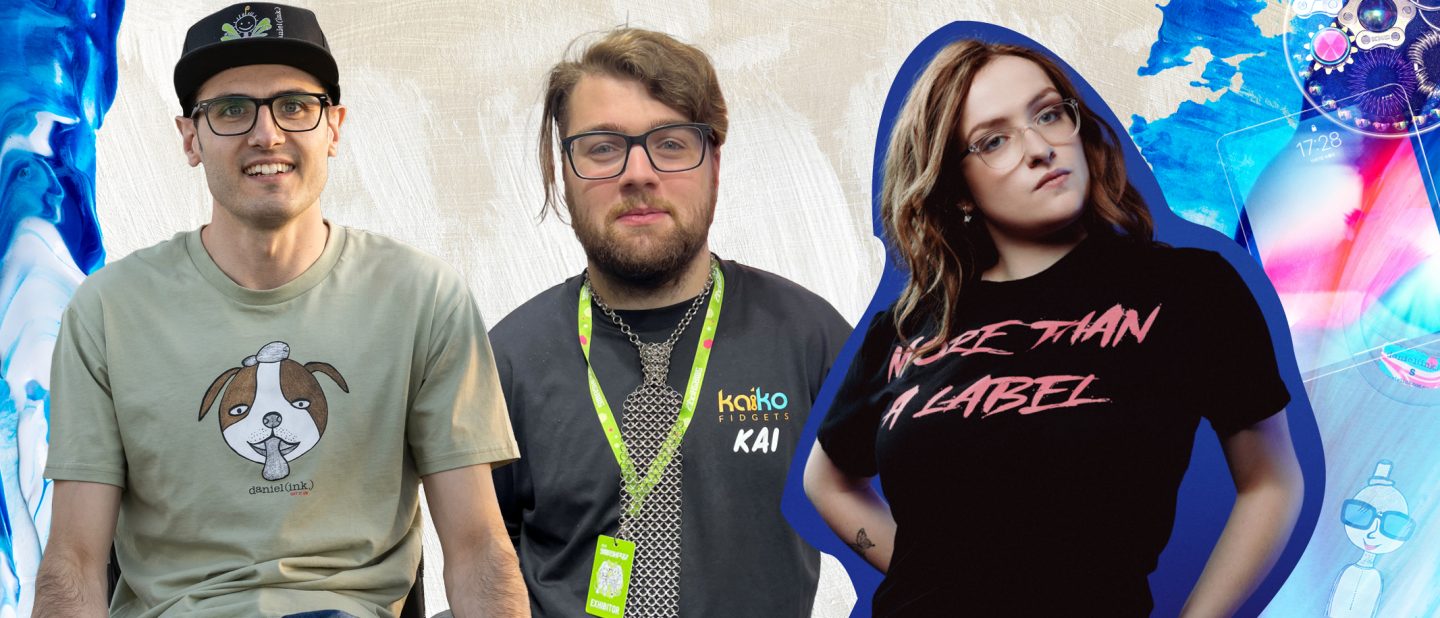
Kai, Keeley and Daniel have each built something unique: tools to help people regulate, a tech charity that opens up learning, and art that makes people stop and smile. We asked them about how their ideas were born, what keeps them going, and what advice they have for others walking a similar path. In their own words, this is what they told us…
Can you start by telling us a little bit about your business and how it started? Was there a particular moment or challenge that sparked the idea?
In 2017, at the age of 11 I found myself getting teased for using kiddie-like fidgets by peers. They told me to go play with the preps! One of my classmates even rubbed wasabi in my eyes! I was crying that night, so mum and I tried to find something more age-appropriate. We drew a blank and
I decided to make my own! I took them to school where I sold some, but I got in trouble and had to pay the money back! So mum and I started doing local markets with them. What started out as me making fidgets to help myself, has now grown into a national business providing tools for teens and adults.
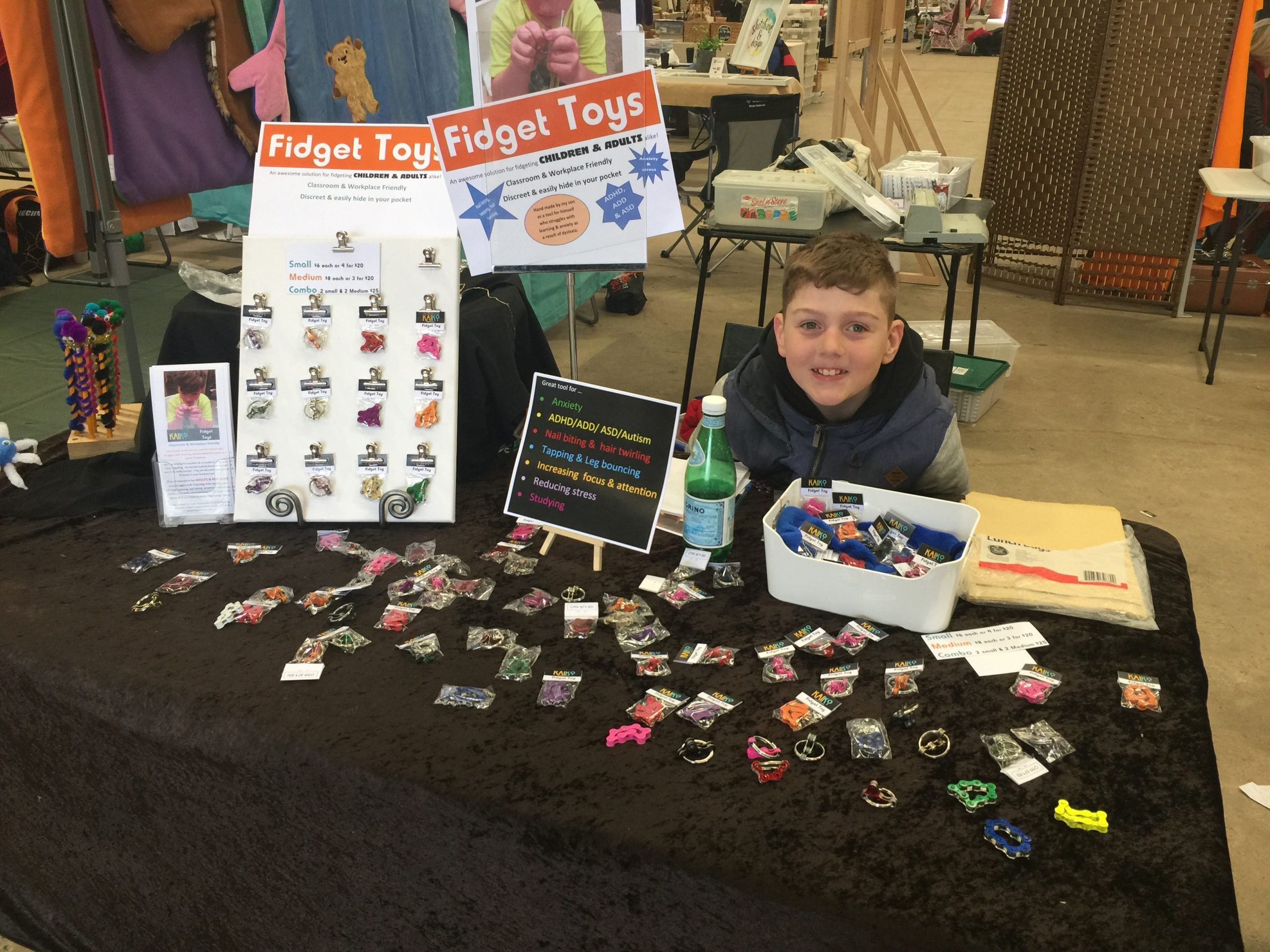
Fidgets aren’t just about keeping hands busy. For many they are a lifeline that enables people to cope with day-to-day stressors. They can also help them soar to heights by allowing them to focus, regulate and think. Having tools that are discreet, robust and cover a diverse range of needs is key & the “why” behind what I do.
How do you think your disability shapes what you’ve created?
Being both autistic and dyslexic has made school hard and friendship connections challenging. Lived experience has driven creating Kaiko Fidgets and ongoing sharing of others, like myself who struggle with regulation and sensory needs, has driven the range to grow so significantly. When we create new tools, I am more focused on the needs of others than I am on creating something that sells. And, mum having an occupational therapy background, as well as also being AuDHD, has informed the range development.
Who or what has been instrumental in helping you with your business along the way?
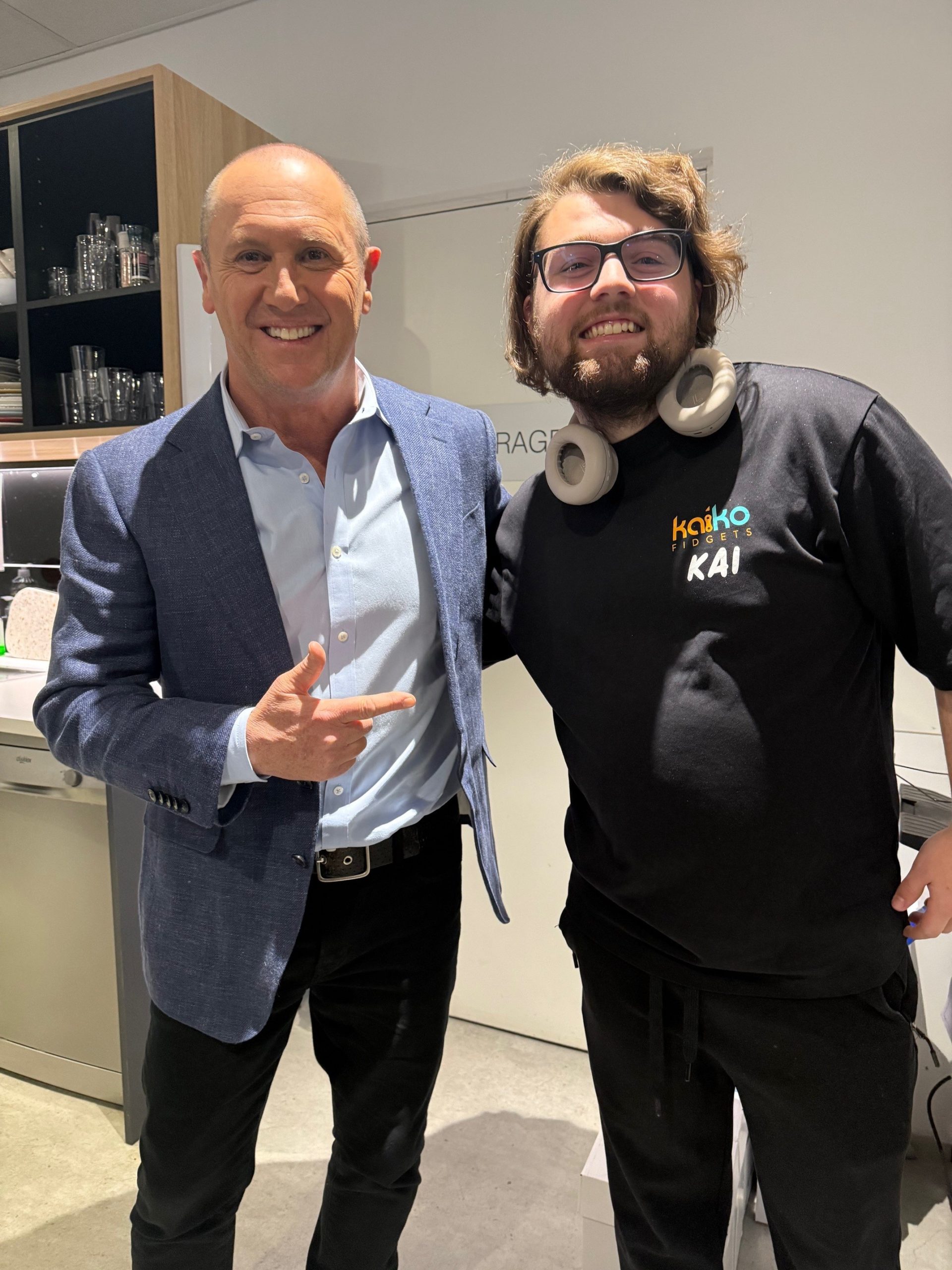
A number of things: the bullying sparked the desperate need, also support from my parents, mentors, and most recently the EO Global Student Entrepreneurs Award Start it Up Competition. I’ve learnt that I can’t do it all and I now have more than 12 staff! And recently, being featured on Channel 7 Sunrise and the Morning Show was huge exposure for us! To be honest though, it’s actually the Kaiko community of customers and supporters that are my why and who enable me to continue to do what we do!
What’s the best feedback you’ve received from a customer?
I get so many, almost daily! It’s hard to pick, however the ones that leave a lasting impression are those that share that we have saved their life or that I have inspired them.
What are you most proud of that you’ve done so far?
For the past 6 months, along with more than 1400 students from around the world, I have been part of EO’s Global Student Entrepreneur Awards (GSEA) competition & Series ‘Start It Up’ – Season 4. I was humbled and incredibly proud to progress to the finals and then it was announced that I placed 2nd in the world! WOW!
Being dyslexic, autistic (& ARFID), traveling to other countries, with lots of people, long hours without ‘people down time’, safe foods not always available, make up (sensory nightmare), micing up for TV, having to hold information in my mind with working memory challenges, follow a visual pitch deck (while still struggling to read and write due to significant dyslexia) – all this created challenges and stretched me more than anyone would have realised. I hope it’s a reminder to others that being neurodivergent or having different abilities doesn’t have to define us and that we can shine in our own unique ways!
Are there any new products or projects that you’re working on now?
A trichotillomania support kit, picking support options, and other safe ouch tools for harm reduction as well as fidget stationary… so many things. Watch this space!
Can you tell us a little bit about Keeley’s Cause and what inspired you to start the project?
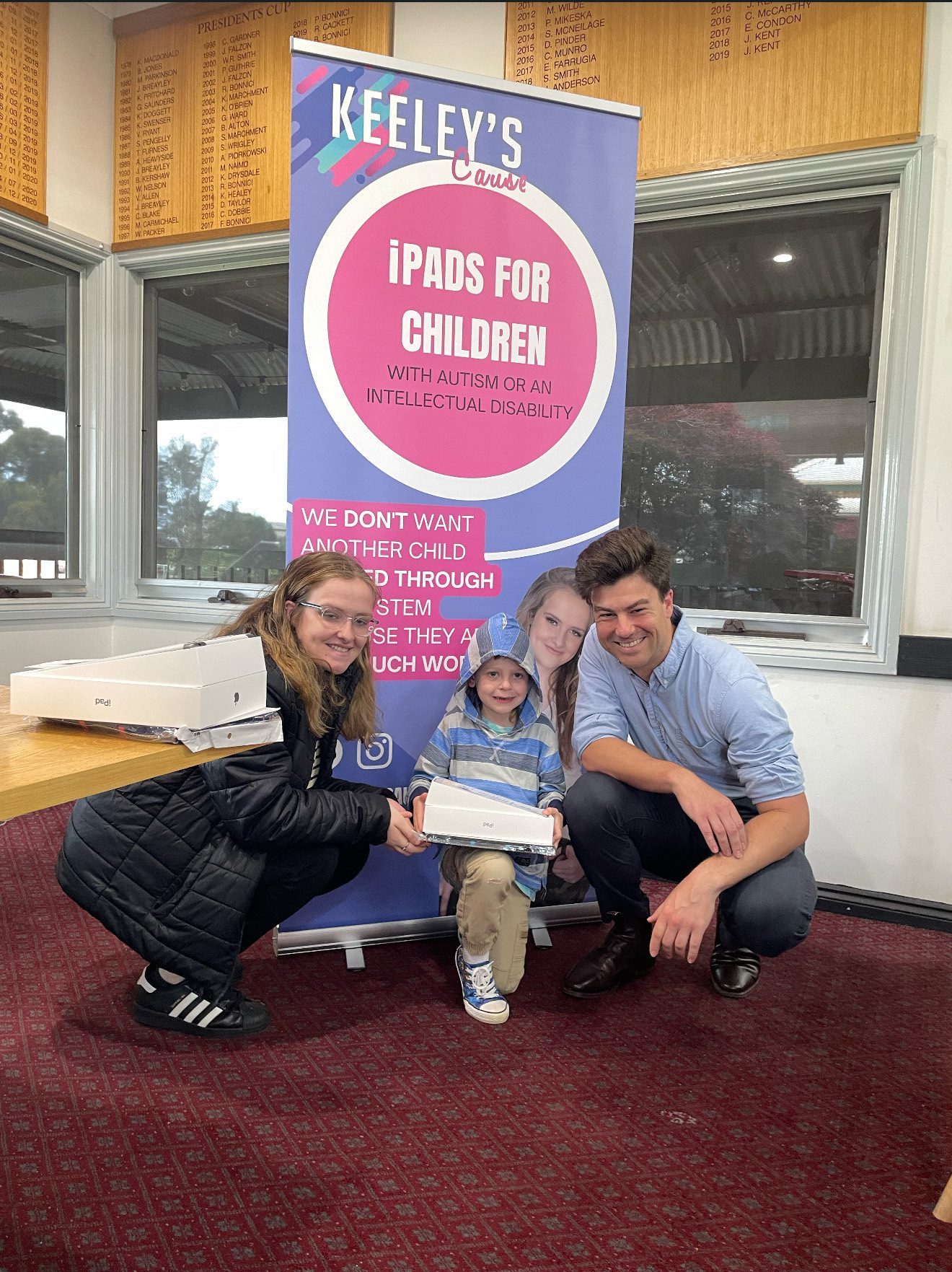
Keeley’s Cause is a national registered charity that I founded at the age of 13 to provide iPads to children and young people diagnosed with autism and intellectual disabilities.
The inspiration came from my own journey as someone with both diagnoses where I found it incredibly difficult to keep up with mainstream learning methods.
When I was given access to an iPad, everything changed. It helped me communicate better, manage my emotions, and learn in ways that suited my strengths.
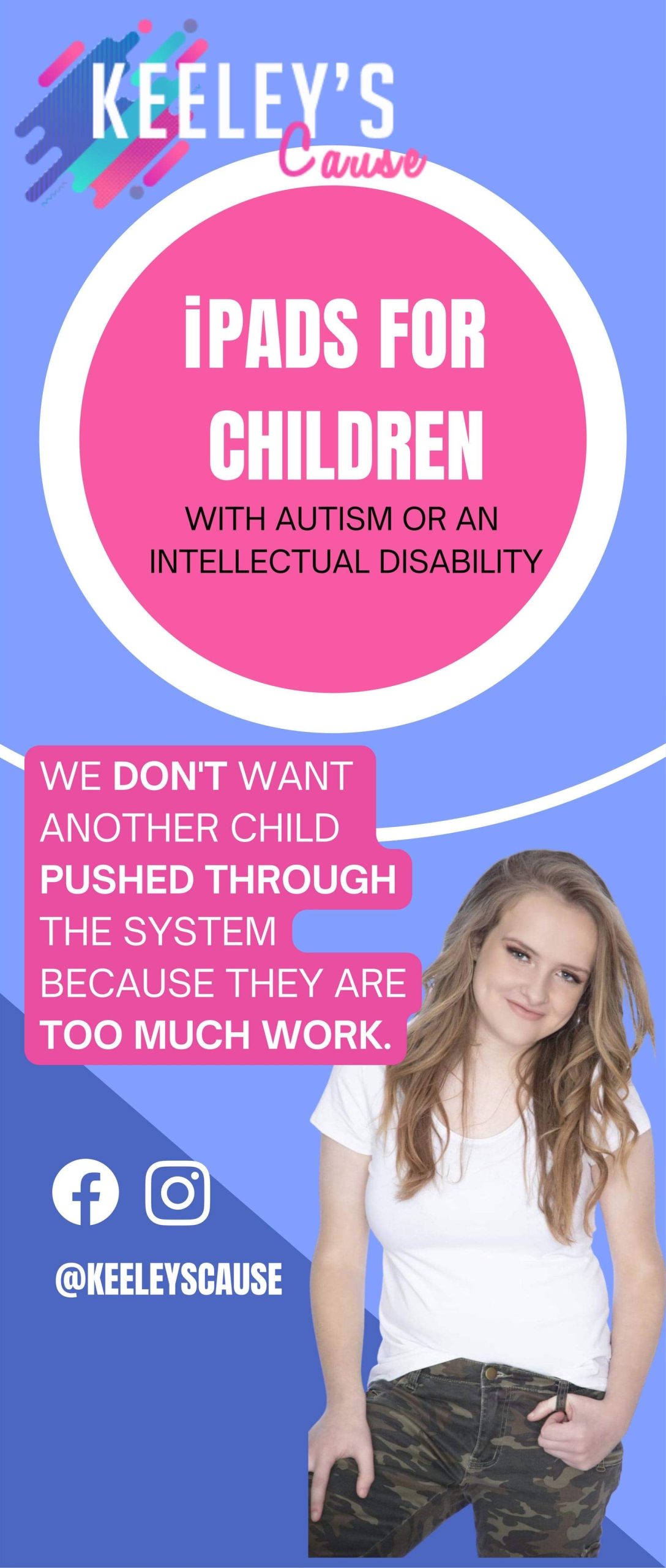
I realised that if it made such a difference in my life, it could do the same for others. That’s when I knew I had to start Keeley’s Cause.
One of the biggest challenges has been overcoming the assumptions people sometimes make about young people with disabilities. When I first started, I wasn’t always taken seriously because of my age or my diagnosis. But I stayed focused, surrounded myself with people who believed in the mission, and continued learning along the way.
What are some of the challenges you’ve faced and how have you worked through them?
With the support of my mum and a strong community, I’ve been able to turn obstacles into opportunities. I’ve learned that resilience, patience, and staying true to your purpose are key.
Tell us about the biggest success you’ve had so far.
Our greatest success is the impact we’ve had on families across Australia.
Seeing the joy and relief on a child’s face when they receive an iPad and knowing it will open doors to learning and communication is incredibly rewarding.
On a larger scale, being named one of Australia’s Top 50 Small Business Leaders was a huge honour, and also being inducted into the Victorian Women’s Honour Roll in 2024 as the youngest inductee of 730 women since 2001. It proved that people are recognising the value of inclusive initiatives led by people with lived experience.
What’s an average day like at Keeley’s Cause?
Each day is different, but I’m always working on new ideas to grow the charity and improve our reach.
I contribute to our social media content, help pack and deliver iPads, planning fundraising events and assist with the decisions of the charity’s mission.

I also enjoy being involved in strategy and creative brainstorming, thinking about how we can do things better or reach more families.
It’s hands-on work, and it means a lot to me to be part of every step.
What part of doing business do you love the most?
I love knowing that what I do matters. It’s fulfilling to see a real, positive change in people’s lives. I also enjoy the creative side, building something that didn’t exist before and watching it grow.
It’s exciting to think that an idea that started from personal experience is now helping so many others and has bridged the gap of support.
What advice would you give to another young person with a disability who has a big idea?
Don’t let anyone underestimate you, and most importantly, don’t underestimate yourself. Your perspective is valuable, and your lived experience gives you insight others may not have.
Start with what you have, ask for support when needed, and be brave enough to take the first step even if you think your idea may not be good enough.
Even small actions can lead to something much bigger. If you have a vision or passion, follow it. You are capable of achieving great things despite having a disability.
Tell us a bit about Daniel(ink) and how you got started.
I started to enjoy art when I was at school. My grandmother was an artist, and when she visited us from the UK, she used to spend time helping me with my painting. Later on, I went to TAFE in Midland, and then I completed a Certificate II in Visual Art at Cyril Jackson Senior Campus.
Daniel(ink) began as a TAFE project, when I designed a t-shirt as part of my course. My dad said I should think about setting up a business to sell my designs, and that’s how Daniel(ink) was born. My first venture was a stall at our local arts festival in 2012, where I sold all 30 shirts!
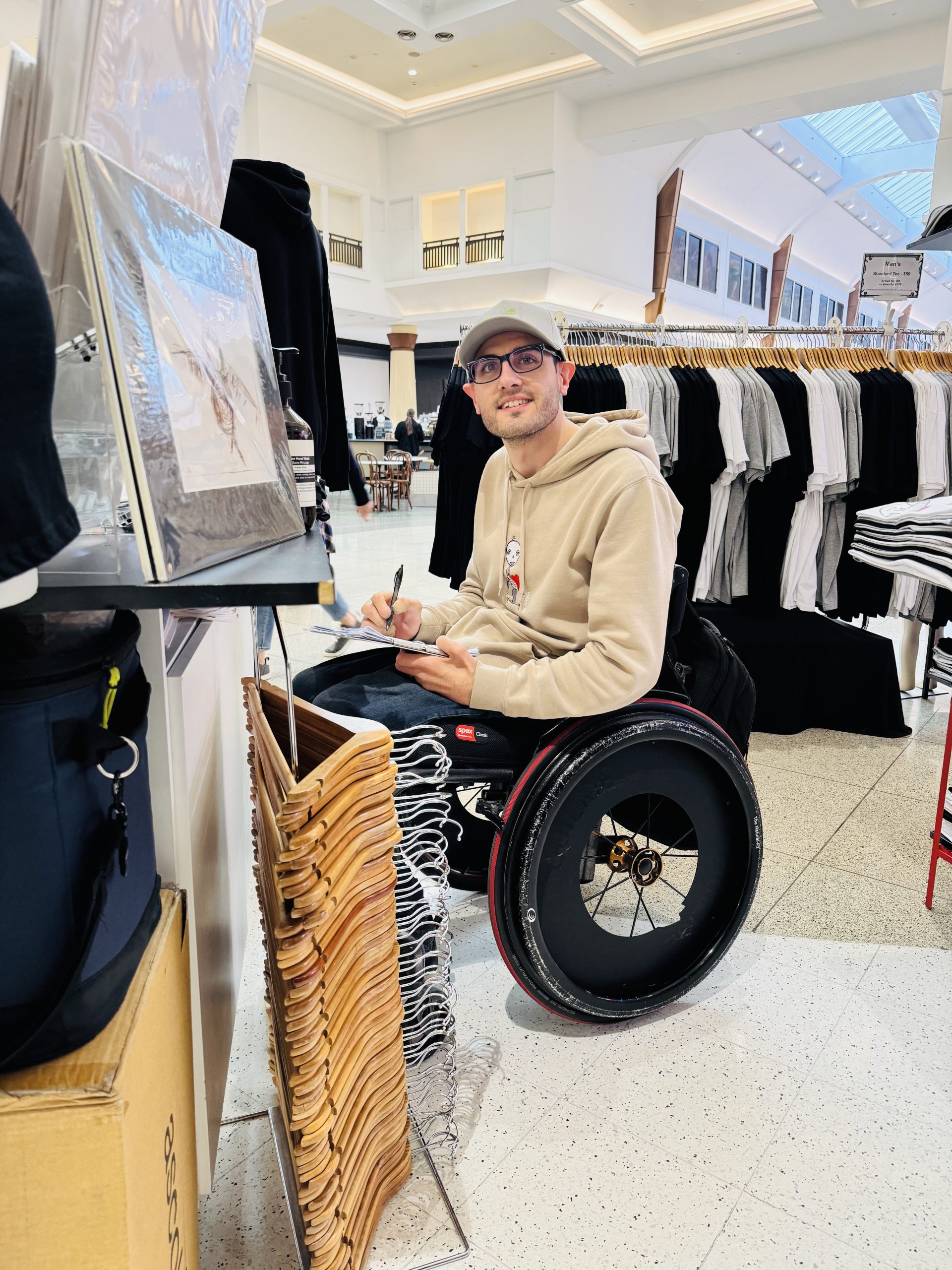
I officially set up the business the next year, in 2013, and it’s grown from there. Now it’s thriving. I have 27 designs and a range of products for adults, kids and babies. We sell our products at shopping centres, designer markets, and online.
I am also very fortunate to have travelled with Daniel(ink.) to Melbourne, Sydney, Adelaide, and also overseas to New York, Hong Kong and this Spring we are heading over to London!
Where do you get your ideas and inspiration from?
I am a doodler!! I love spending time at my drawing board working over ideas. Sometimes, I get inspired by images I see around me. I have also had the good fortune to work with local artist friends, Bernard Kerr and Trenton Harris, for example. It’s sometimes hard finding new designs but I’m always on the look-out for new ideas!!
What are the biggest challenges you face? How have you overcome them?
Living with a disability is not always easy. Doing some things that others take for granted, like cooking and cleaning, for example, is not so easy for me.
But I try not to let things hold me back from doing what I want. I manage to get out and about quite a lot. I have a modified car with a chair hoist, so I can get out by myself. I also have support workers and my girlfriend who take me to other places
I may not be able to access so easily. My family is very supportive too!
Tell us about your biggest success, or something that you really look forward to in the future
Living with CP is not easy! About 10 years ago, I went to Melbourne. I found that I couldn’t get out of my chair to walk up a couple of steps into my uncle’s house.
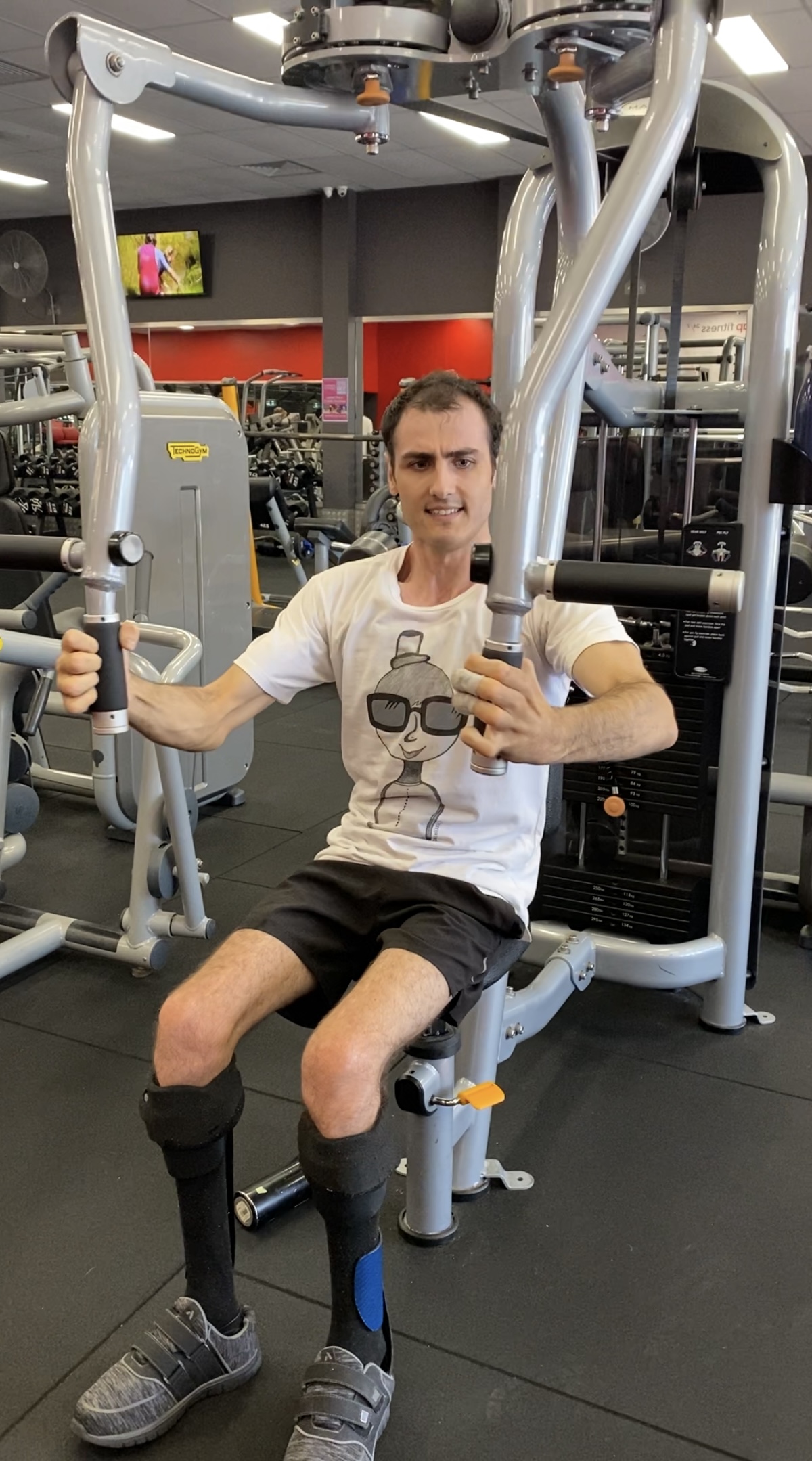
It was a turning point for me! That’s when I started work with my physio and joined a gym with a personal trainer; and set myself some goals to stand up and beable to walk with my walking sticks again.
Now I am stronger in both upper and lower limbs, and now, I CAN WALK AGAIN!! Recently I walked onto a plane (to visit my sister in Melbourne) with just my walking sticks.
It all helps me to be more independent.
What advice would you give to young people with disability after school?
It’s never too late to start a journey if you do want to make a change in your life. Don’t put barriers up for yourself. Look at courses available at TAFE, or even at university to get training to follow your dreams and to achieve your goals.
Start with small goals that you can achieve. For example, I started with a goal of walking on the treadmill for 3 mins. Then I increased the time to5mins. Now I can do 10.