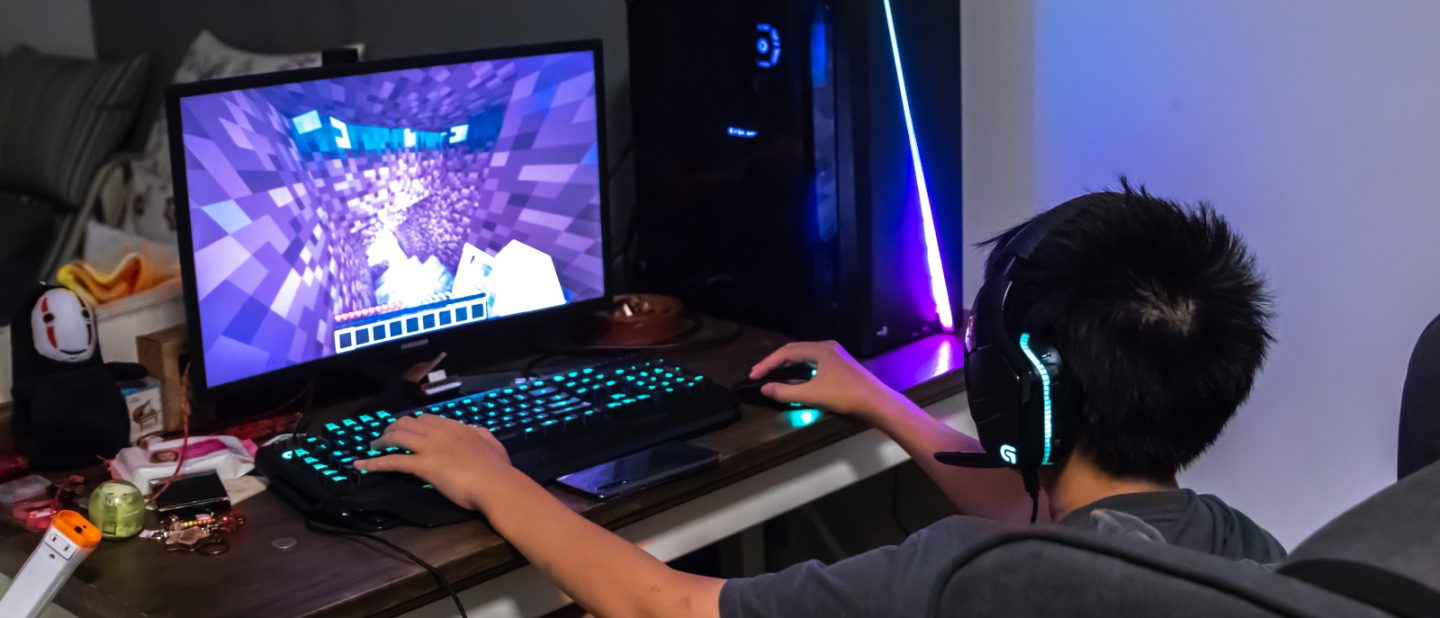
Creating safer online gaming spaces for neurodivergent young people
By Jess Rowlings
Online gaming has rapidly transformed from a niche hobby to a mainstream cultural phenomenon, capturing the imaginations and attention of millions of Australians — young and old.
As CEO of Next Level Collaboration and a lifelong gamer myself, I have seen firsthand how virtual worlds like Minecraft, Fortnite, and Animal Crossing offer not just entertainment but also powerful opportunities for learning, social connection, and personal growth.
According to industry reports, 82 per cent of Australians play video games, with multiplayer platforms allowing them to interact and play with peers across the country and the globe.
With the advent of cloud-based gaming and the ubiquity of smartphones and tablets, the barriers to entry have never been lower. For many young people, gaming is a primary form of recreation, frequently preferred over traditional activities, while the ongoing rise of esports and streaming has further cemented online gaming as a staple of Australian youth culture.
As more children and teenagers spend time in these digital playgrounds, it is understandable that parents and guardians may be anxious about what they are doing there and with whom.
Despite the widespread popularity of online gaming, it is crucial to recognise the significant pitfalls that these digital environments can present for children and teens, particularly neurodivergent young people.
One of the primary concerns is exposure to inappropriate or harmful content, with the open nature of many gaming platforms means that children may inadvertently encounter material that is not age-appropriate, leading to potential distress or confusion.
Another major pitfall is the risk of cyberbullying and harassment via chat functions and forums, with young players sometimes subjected to name-calling, exclusion, or targeted abuse.
These negative experiences can have a profound impact on the mental health and wellbeing of young people, sometimes resulting in anxiety, depression, or withdrawal from social activities.
For neurodivergent young people (such as those with autism, ADHD, or other neurological differences) online gaming offers unique opportunities and challenges.
Virtual worlds can provide a level playing field for social interaction, allowing neurodivergent kids to communicate in ways that suit their strengths and preferences. Many find that gaming helps them practise problem-solving skills, express creativity in environments that feel safe and predictable, and build friendships with others through a common interest in video games.
However, they may also face heightened risks in online spaces.

Difficulties understanding online conventions or the nuances of digital interaction can leave them more susceptible to exploitation or harm. Cyberbullying, exclusion, and misunderstandings are sadly common, and the lack of tailored guidance can leave neurodivergent players feeling isolated or vulnerable.
Recognising these challenges, Next Level Collaboration has developed SafePlay, a program designed to support young people, especially those who are neurodivergent, in navigating multiplayer gaming safely and confidently.
Developed with funding from the University of Melbourne, SafePlay offers supervised sessions in a secure online environment that promotes social relationships and a sense of belonging.
Our approach is grounded in empathy, expertise, and lived experience: all sessions are facilitated by neurodivergent adults who understand both the joys and the pitfalls of gaming.
Through SafePlay, children and teenagers can learn vital digital skills, develop strategies for managing risks, and build positive social connections with other gamers like them.
The program isn’t just about setting boundaries; it’s about fostering independence and resilience so young people can go on to thrive online.
Ultimately, online gaming is here to stay, and young people have a right to feel safe in these digital playgrounds, just as we expect them to feel safe in the physical playground at school.
As parents and educators, we have an important role to play. Prioritising safety, support, and open communication will go a long way to ensuring young gamers can navigate digital spaces with confidence.
Jess Rowlings is the CEO and co-founder of Next Level Collaboration. A qualified speech and language pathologist, she is also an Honorary Enterprise Fellow and researcher at the University of Melbourne’s Faculty of Education and is currently undertaking a PhD in Human Computer Interaction
Jess’s work is informed by her lived experience receiving autism and ADHD diagnoses as an adult, as well as her lifelong love of games.
Learn more about the SafePlay program at – https://nextlevelcollaboration.com/safeplay/