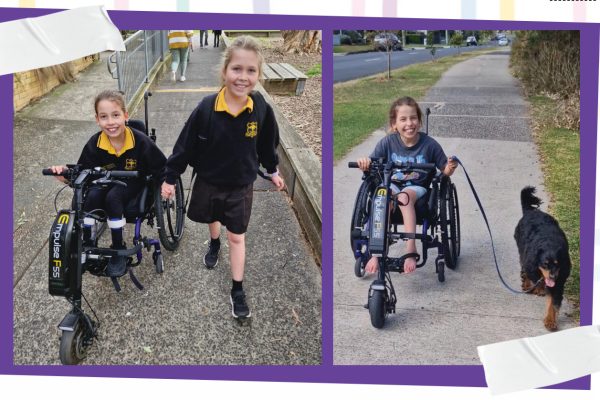
Rest, Recharge, Regulate: A holiday guide for families of neurodiverse children
ADVERTORIAL
As the long summer school holidays approach, many families are looking forward to a well-deserved break – slower mornings, family outings, and time to recharge. But for families raising neurodiverse children, this time of year can also bring new challenges. Changes to routine, sensory overload, and social expectations of the festive season can sometimes leave everyone feeling a little overwhelmed.
At CareChoice, we support many families whose children live with Autism, ADHD, intellectual disability, anxiety disorders, and trauma backgrounds. We understand that the festive season can bring both excitement and stress – for kids and parents alike.
Our goal is simple; to help families not just survive the holidays, but to enjoy them.
Andrew Buchanan, Psychologist and Senior Behaviour Support Practitioner (BSP) at CareChoice, offers some practical strategies that support calm, connection, and confidence.
Understanding the holiday shift
School holidays often disrupt predictable routines. For many neurodiverse children, this can mean a loss of structure that helps them feel safe and regulated.
While some children thrive on the freedom of unstructured days, others may struggle with uncertainty and boredom, leading to emotional dysregulation, increased anxiety, or challenging behaviours.
Recognising this shift early can help families plan ahead and prevent avoidable stress.
Energy accounting – balancing the ups and downs
We often use the concept of energy accounting – a simple, family-friendly way to support emotional regulation.

Think of your child’s energy like a bank account: some activities withdraw energy (such as noisy shopping centres, family gatherings, or long travel days), while others deposit energy (quiet time, playing with pets, special interests, physical play, or rest).
You can use this concept at home:
1. Together, list common holiday activities.
2. Identify which activities drain or refill your child’s energy, using a simple rating scale (e.g. -5 to +5).
3. Plan each day with a healthy balance between ‘withdrawals’ and ‘deposits’ – ideally ending each day ‘in the positive’.
4. Include your child in creating their ‘Energy Refill List’ – activities that recharge them emotionally and physically.
This approach not only supports emotional regulation, but it also teaches children self-awareness, planning, and healthy coping strategies.

Toudal, Maja & Dr Anthony (Tony) Attwood. Energy Accounting: Stress Management and Mental Health Monitoring for Autism and Related Conditions. Jessica Kingsley Publishers, 2024.
Creating a Flexible Holiday Structure
Even when school’s out, routine still matters. Especially for children who thrive on predictability.
A flexible structure:
- Reduces anxiety and boredom
- Provides a sense of safety and security
- Helps regulate sleep/wake cycles
- Encourages a sense of purpose and autonomy
What structure can look like:
- Keeping morning and evening rituals consistent
- Using visual daily planners or calendars with both at-home and outdoor activities
- Use timers or visual cues to help with transitions
- You don’t need to over-schedule. Leave buffer time and downtime but keep it predictable.

Notice what’s going right
During the busy holiday period, it’s easy to fall into correction mode – reminding kids what not to do… But things shift when we notice and reinforce what’s going right.
Praising small moments – “I love how you waited so patiently”, or “You did a great job trying something new” – reinforces positive behaviour, boosts confidence, and builds stronger connections. These moments of encouragement can help the whole family feel more at easeand help prevent escalation of behaviours of concern.
What you can try:
- Use behaviour specific praise – e.g. “I noticed how you put your dirty dishes in the sink, great job!”
- Catch your child being flexible, patient, helpful, kind, brave.
- Pair verbal praise with physical gestures (high fives, smiles, thumbs up) or small rewards.
Hardy, J. K. & McLeod, R. H. (2020). Using Positive Reinforcement With Young Children. Beyond Behavior, 29(2), 95‑107.
Remember, you’re not alone
To all the parents navigating the complex needs of neurodiverse children over the holidays, remember perfection is not the aim, you just need to be present, supported, and resourced. There will be moments of joy and moments of exhaustion – and both are okay. What matters most is that you’re doing your best, and that support is always available when you need it.
If the holiday season feels challenging, know that CareChoice’s Positive Behaviour Support (PBS) practitioners are here to help. We work with families and care teams to understand behaviours of concern, implement person-centred strategies, and promote calm, supportive environments where children and parents can thrive.
So, this holiday season, aim to find moments to rest, opportunities to recharge and regulate and remember, support is here when you need it.

📞 1300 737 942
✉️ [email protected]
🌐 carechoice.com.au