Tech for good
HOW AN AUSTRALIAN DISABILITY TECH ACCELERATOR IS BUILDING A BETTER FUTURE – ONE STARTUP AT A TIME.
By Katherine Granich
If you hang around the disability community long enough, you’ll hear the same refrain: “Why isn’t there a better solution for XYZ?” For families, therapists, and disabled people themselves, necessity really is the mother of invention.
But turning that spark of need into a product or service that actually makes a difference? That’s where Remarkable comes in.
THE GENESIS OF A MOVEMENT
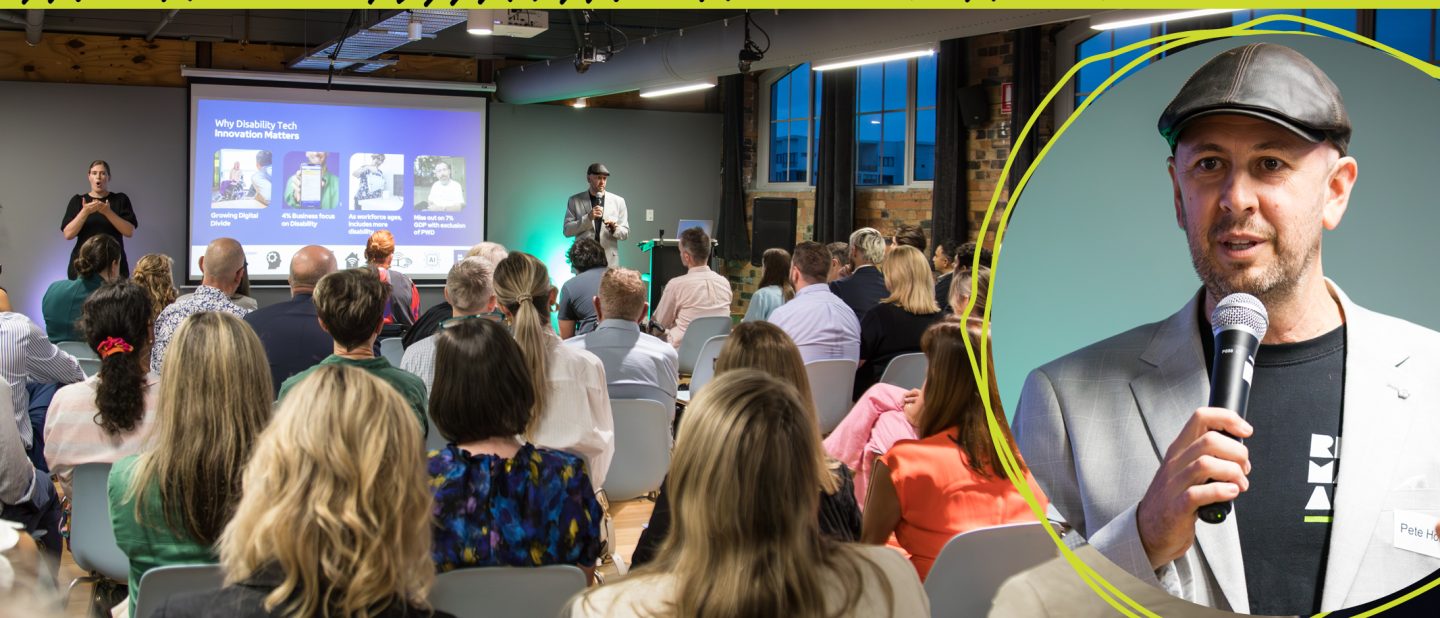
Remarkable, the Cerebral Palsy Alliance’s disability technology accelerator, grew out of a simple but radical idea: People with disabilities belong in the engine room of innovation. The program began not with a business plan, but with a human challenge – a guy named Alper, living in Turkey, who dreamed of a solar-powered wheelchair. That single invention led to a realisation: “We need technology in the hands of people with disability. Until we do, we’re not making a difference,” says Pete Horsley, founder of Remarkable.
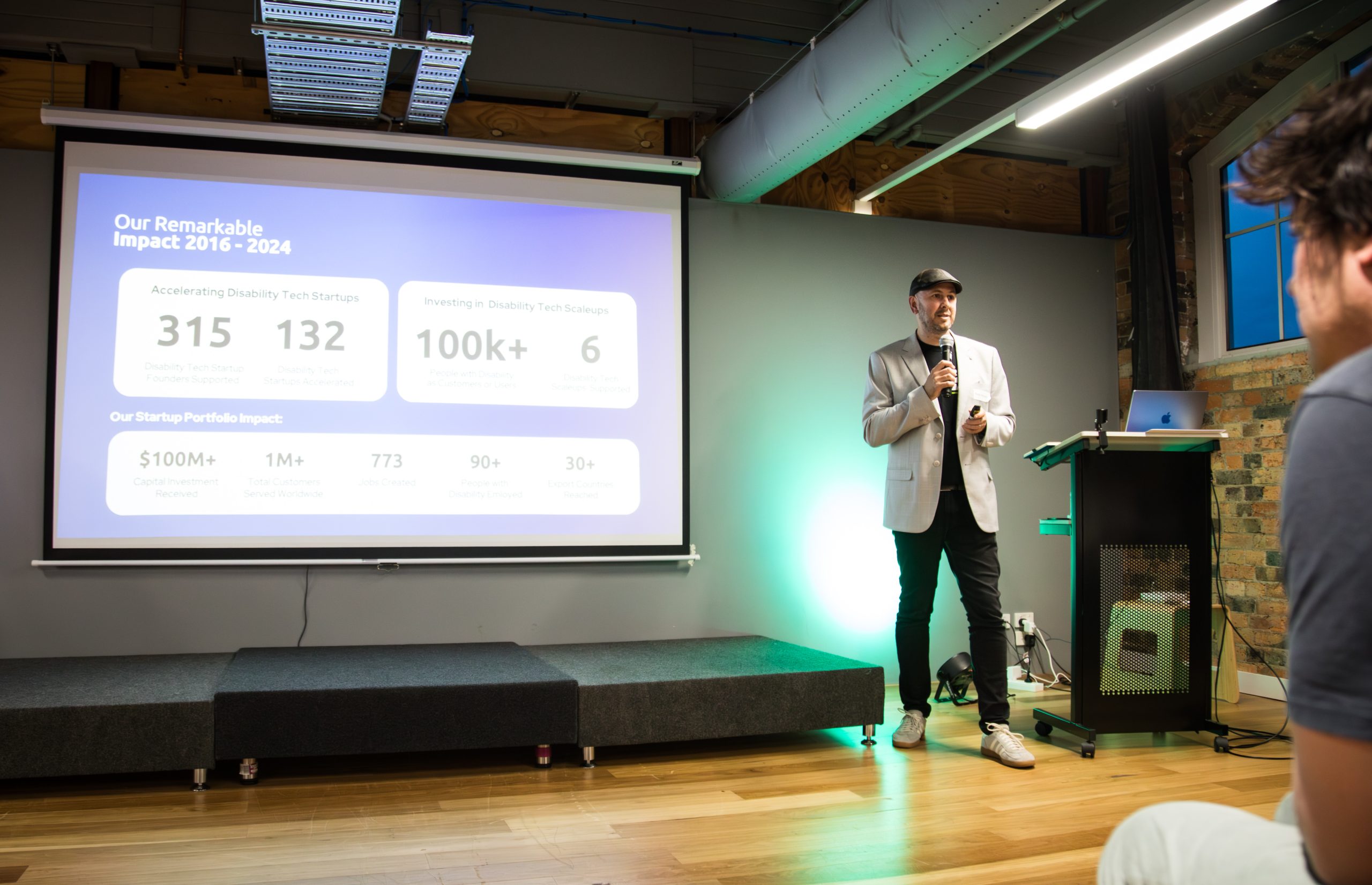
Launched in 2016, Remarkable set out to do things differently. Instead of looking at disabled people as passive recipients, they invited them to design, test, and co-create every step of the way. The result? To date, they’ve supported 382 founders across 164 startups, and while not all have made it to market (let’s be real, that’s the startup world), the ripple effects are undeniable – they’ve reached over 1 million customers worldwide.
MORE THAN JUST AN ACCELERATOR
So what does Remarkable actually do? In short, it’s a mix of grant funding, practical support, mentorship, and – perhaps most importantly – community. “We surround founders with people who have grown startups, subject-matter experts, and people with lived experience of disability,” says Pete. “We’re always asking: Who are your users? How are you building with them, not just for them?”
That people-centred ethos isn’t just lip service. Startups in the program get ongoing feedback from the User Feedback Community (remarkable.org/user-feedback) – a growing pool of people with disability, their family members and carers, who are rewarded for their expertise. “We value your time, your energy, and your experience. It shifts the power dynamic,” Pete explains. “It grounds us in reality, so we’re not just building solutions nobody asked for.”
CHANGING WITH THE TIMES
The program has evolved and refined over the past decade; there are three “stages” depending on where startups are at when they come to Remarkable and what level of nurturing they need. “Launcher” is an eight-week, pre-accelerator supporting early-stage startups. “Accelerator” is a 16-week program which provides seed funding, coaching, masterclasses, networking, and further support for in-market startups. And “Scaler” is “Seed- to-Series-A” stage funding and bespokestrategic support for disability tech ventures.
Startups aren’t just recipients of charity or goodwill – they’re expected to build sustainable, impactful businesses that can scale far beyond the accelerator itself. “We want to create ripples – startups that become self-sustaining, delivering real- world change,” Pete says.
THE REMARKABLE EFFECT
What links 164 (and counting) startups that have passed through Remarkable’s doors? An insistence on collaboration, feedback, and designing for real-worldmessiness, not theoretical perfection. From a “sex tech” company (yes, really, because disabled people are people too, thanks very much) to autonomous robots making train stations accessible, the common thread is imagination and a refusal to accept the status quo.
As Pete Horsley puts it: “Our long game is to be that rock in the pond. Can we create pockets of innovation that turn into sustainable businesses? That’s how you get impact that lasts, and spreads beyond our borders.”
That means sometimes celebrating the “failures” as well as the wins. “I’m proud of the things we tried that didn’t succeed, because they stretched our imagination of what’s possible,” Pete says.
There’s also a fierce drive to break down barriers. Technology shouldn’t just serve the privileged and wealthy, it should be universal. “We have to ask who benefits, and who is left out,” Pete explains.
GLOBAL IMPACT

Remarkable isn’t just shaking things up in Australia, it’s helping spark a worldwide movement. Through the Inclusive Innovation Network, Remarkable collaborates with accelerators and organisations from Canada, Kenya, New Zealand, China, India, and beyond. This growing alliance is designed to share best practice, mentor new founders, and bring together diverse communities of disabled innovators, technologists, and lived- experience advisors. The goal? To tackle shared challenges like affordability, access, and cultural barriers in ways that are relevant locally but scale globally.

Remarkable has also recently expanded into the US, in partnership with the Cerebral Palsy Alliance Research Foundation (CPARF), focussing on driving the disability tech market. They’re showing that innovation knows no borders, and that great ideas, when shared, can make the world more accessible for everyone.
WHAT’S NEXT?
The Remarkable model is now influencing other accelerators, and sparking new conversations about inclusion and accessibility worldwide. As tech advances, the focus remains the same: Centre disabled people, reward lived experience, and make sure no one is left behind.
Remarkable has also evolved into a variety of startup acceleration programs, along with other initiatives including a fellowship for entrepreneurs with disability, podcast series, industry events, and a thriving global ecosystem. Remarkable is more than a business boot camp; it’s a movement, changing how society thinks about disability tech.
Imagine if physio was actually… fun? That’s the reality behind LusioMATE, the flagship product from health tech company Lusio Rehab (lusiorehab.com). LusioMATE takes rehabilitation out of the hospital and into homes, schools, clinics, and community centres, transforming prescribed exercises into genuinely engaging play.
LusioMATE combines tiny wearable motion sensors with a suite of “exergames”. Think shooting hoops, racing, or guiding animals through adventures. The system is incredibly flexible: The sensors can be attached almost anywhere on the body, allowing users of all ages and abilities to work on their unique therapy goals. Whether it’s supporting kids with cerebral palsy, adults recovering from stroke or injury, or older adults maintaining mobility, LusioMATE adapts to fit.
What really sets LusioMATE apart is its remote connectivity. Clinicians can monitor progress, tweak therapy plans, and set new challenges through a secure dashboard, no matter where their clients are. This means families in rural or remote areas have the same access to expert support as those living in the city. “The vision is that anyone, anywhere, can join in. Especially rural or Indigenous communities who’ve been underserved for too long,” says co-founder Justin Keenan.
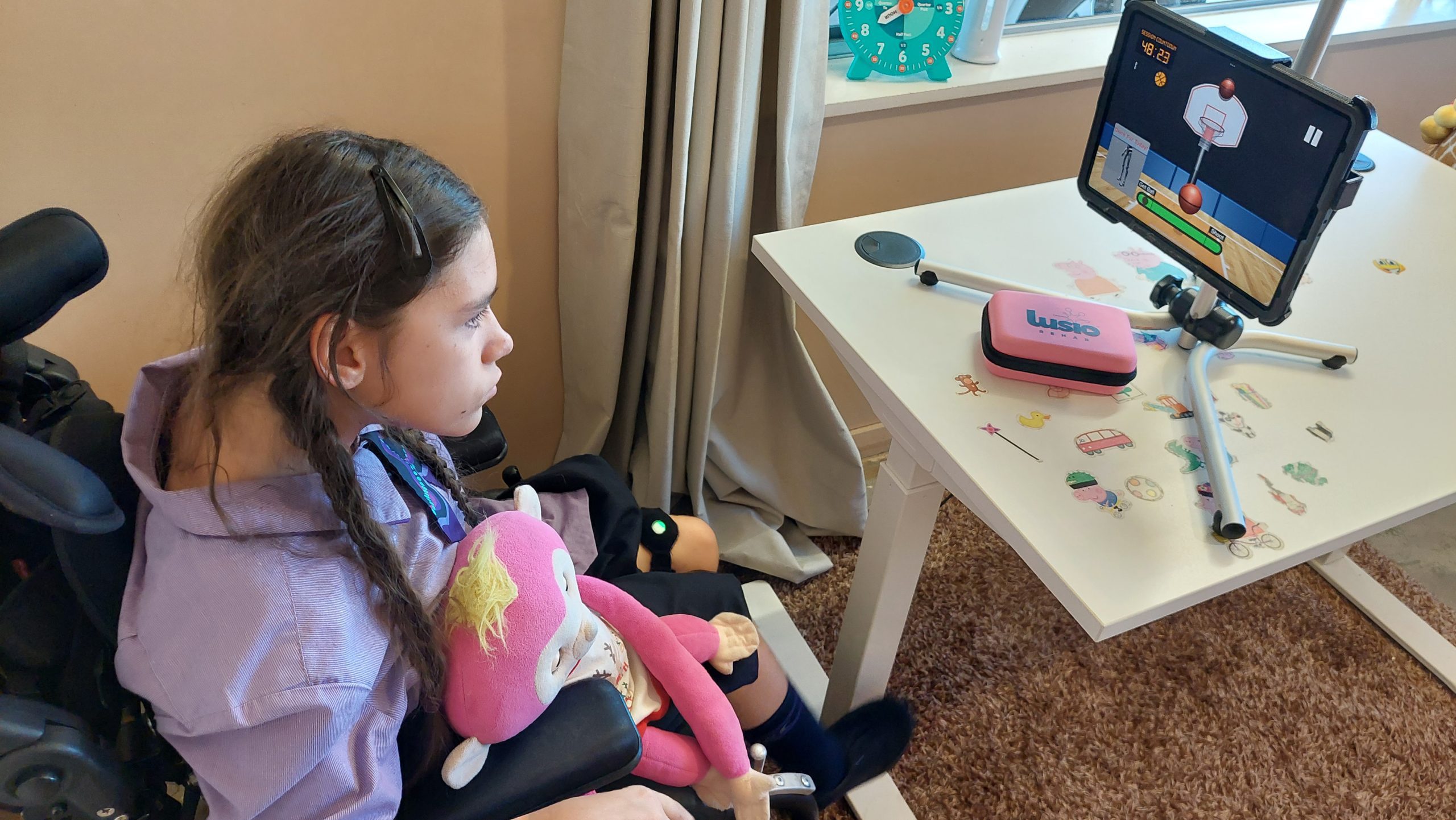
But Lusio doesn’t just ship out the tech and say “good luck.” A dedicated therapy support team works with each new user, training not just the individual but their whole circle of parents, carers, teachers, whoever is in the mix. “It’s about removing barriers. The tech is only useful if it’s actually used, so we stay in touch, help solve problems, and make sure people are getting what they need,” Justin says.
Being part of the Remarkable accelerator gave Lusio Rehab a crucial boost. “The Remarkable program opened doors to a whole community of mentors, startup founders, and, most importantly, people with lived experience of disability,” Justin explains. “The feedback we received directly shaped how we refined LusioMATE, making it more intuitive and accessible. Remarkable wasn’t just about business advice; it was about learning to listen better, to test ideas in the real world, and to never lose sight of the human side of innovation.”
Today, LusioMATE is registered with the NDIS as assistive technology, and is used by individuals and therapists across Australia and around the world, bringing fun, motivation, and a sense of achievement back into therapy.

If Lusio is about movement, Sameview (sameview.com.au) is all about communication – and the chaos of coordinating care. Founder Danny Hui’s “elevator pitch” is simple: “We’re an online platform that helps families and individuals with disability get everyone on their team on the same page, so they’re talking to each other, working together, and achieving better outcomes,” says Danny.
For any parent juggling multiple specialists, therapists, and agencies (not to mention teachers and extended family), Sameview is a lifeline. “I get to talk to so many diverse people every day, and I hear stories that are generous and vulnerable. It’s a privilege,” Danny says. And those stories? They inform every design decision, every update, every new feature. “The feedback we get isn’t just a checkbox; it’s the heartbeat of the platform.”
Sameview was born out of Danny’s own frustration navigating Australia’s fragmented disability system. “With NDIS, there’s more choice, but that also means more admin, more complexity. Providers who ‘get it’ come onboard quickly,” Danny explains. Sameview’s rapid growth (now nearing 15,000 users) speaks for itself.
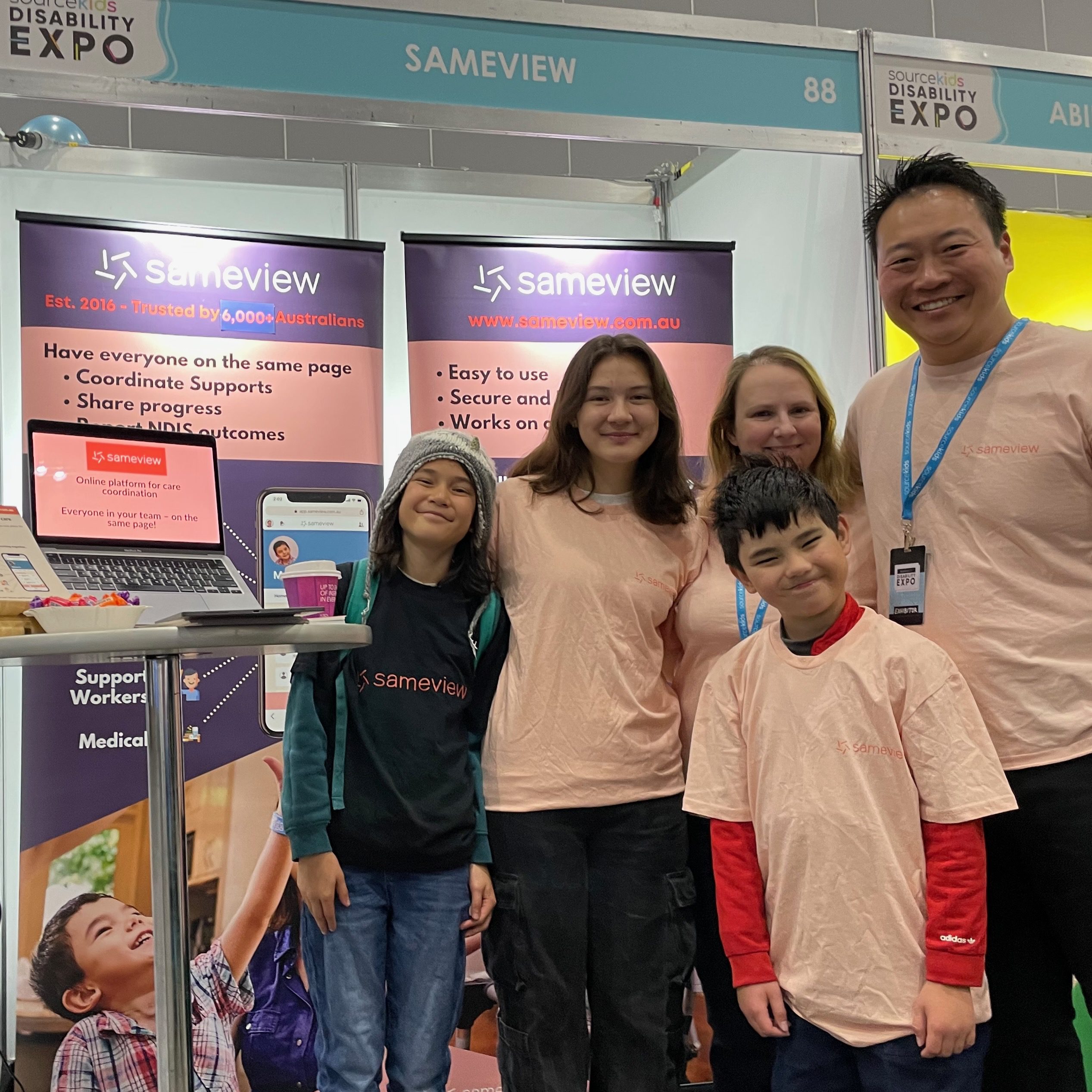
Sameview’s time in the Remarkable accelerator was transformative. Through the program, Danny and his team were immersed in a community of mentors, industry experts and, most crucially, families and people with disabilities, whose insights shaped Sameview’s next steps. “The Remarkable team encouraged us to embrace feedback as an asset, not just something to tick off a list. We learned to test, iterate, and grow side-by-side with our users,” Danny reflects. Being surrounded by peers with the same drive to make change, along with targeted support and business coaching, helped Sameview move from a grassroots solution to a nationally recognised platform.
What’s most remarkable isn’t the tech, but the culture. Families can call anytime. Real people pick up. “For us, the secret sauce is listening to people – building trust, and using that to guide how we run the business,” says Danny. “That connection is everything.”
Sameview’s team includes parents, providers, and people with disability – many are both. “So many people come into the sector through lived experience. That’s our strength. It means we’re always building something real, that actually matters to families,” Danny says.