Rollin’ on up: wheelchair basketball
It’s more than a sport – it’s a place to belong. Wheelchair basketball is giving disabled Australians a chance to compete, connect, and dream big, says Katherine Granich
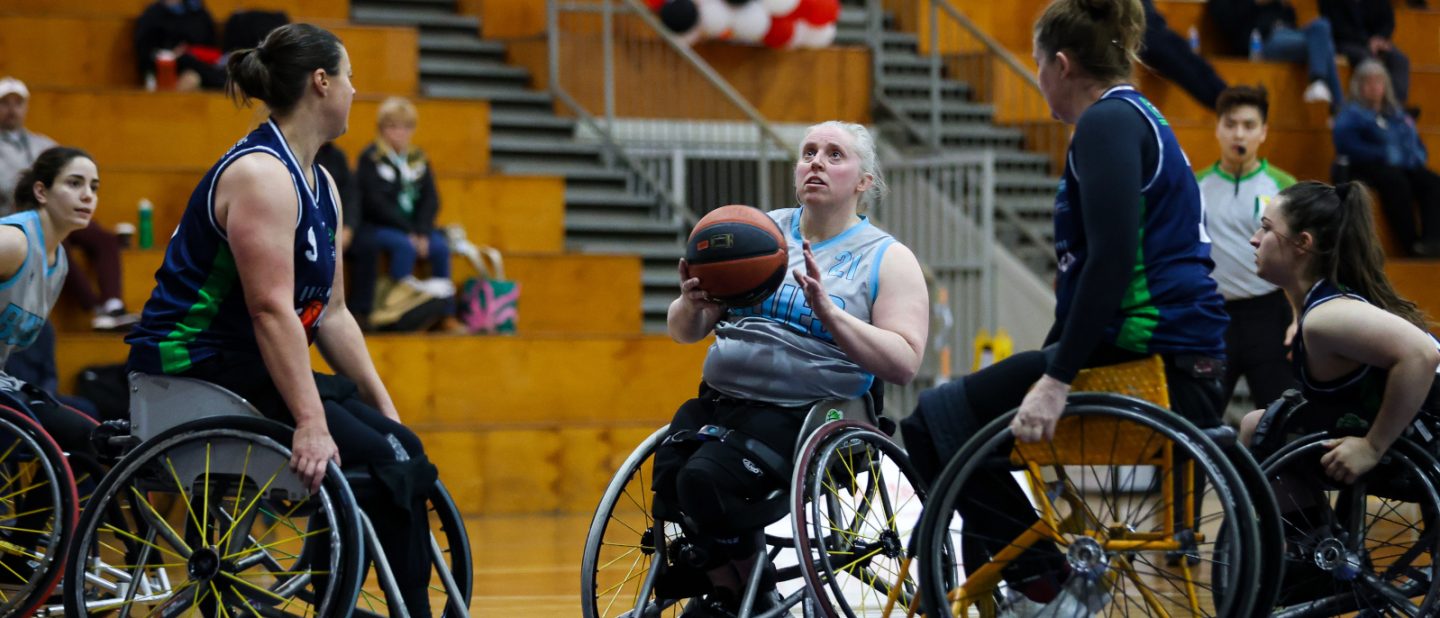
If you’ve never seen a wheelchair basketball game, you’re missing out on one of the most thrilling sporting events you’ll ever experience. The chairs move fast, the players are quick and clever, the ball is a blur you can hardly keep track of, and the crowd’s energy is electric. It’s fast, fierce, and full of heart, and for a lot of kids, it’s life-changing.
Nick Taylor knows this better than most people. At 18, while living in South Africa, Nick was in a car accident that left him with a spinal cord injury. He was supposed to be competing in the final of the U19 South African National Championships and going to university on a basketball scholarship; instead, he became paraplegic.
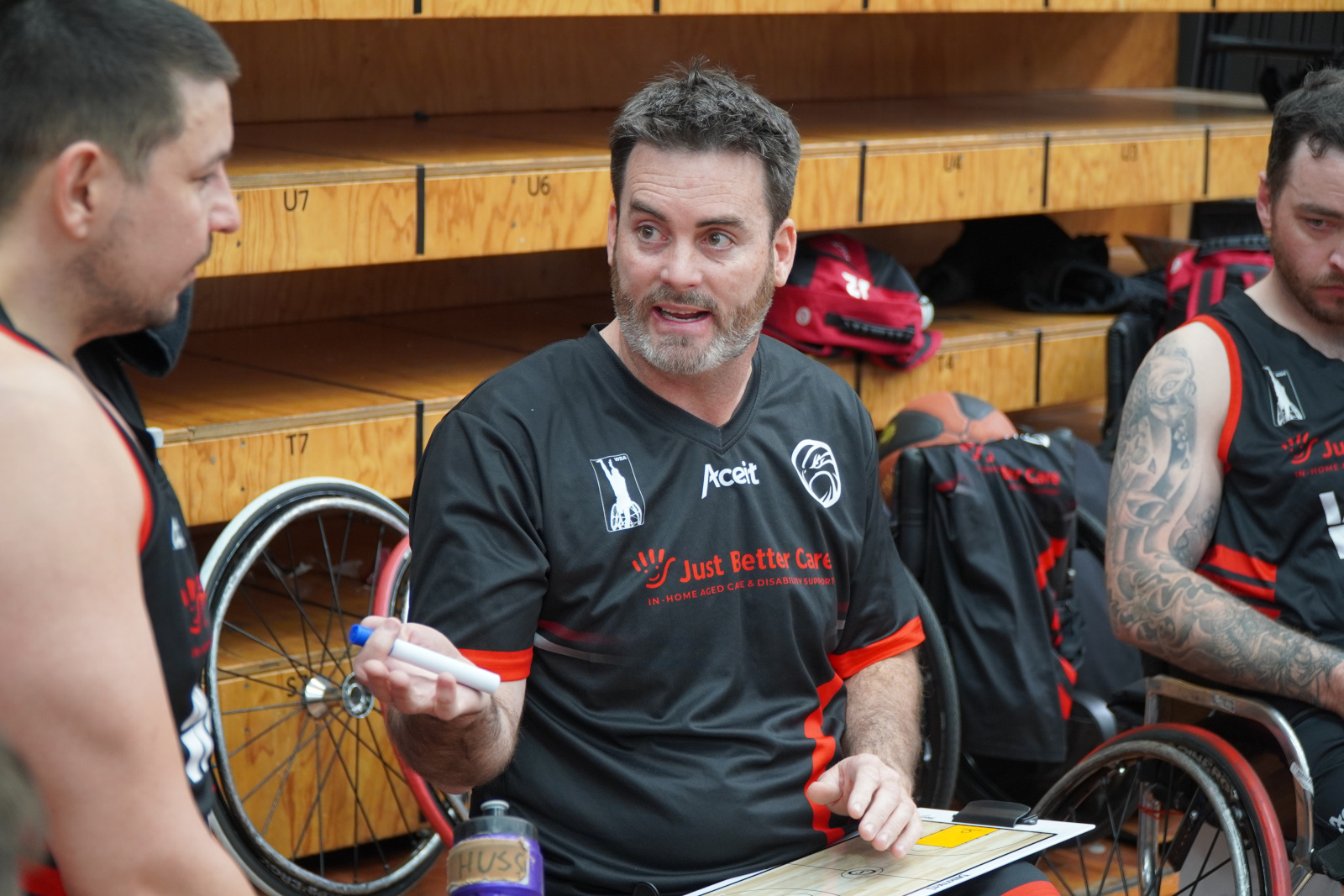
While he was in rehab, a group of wheelchair basketball players invited him to try the sport. “I thought, ‘Nah, this isn’t really for me.’ But they invited me to agame, so I went along and saw it live. After the game, we had a bit of a shoot around, and that’s when I thought, ‘Yeah, actually, I can see myself doing this,’” Nick recalls.
It was hard going at first. “Controlling the chair, dribbling, and shooting – in a body that didn’t work the same way as it used to – didn’t feel like ‘real’ basketball at first. There was a learning curve, and I wasn’t good at it from the start, which was frustrating – but I kept at it.” Nick’s perseverance paid off. An Australian coach introduced him to the Rollers – the Australian men’s national wheelchair basketball team – and in 2005 Nick moved to Wollongong to play in the National Wheelchair Basketball League (NWBL). He went on to represent Australia, winning silver at the 2012 Summer Paralympics and Gold at the 2014 Wheelchair Basketball World Championships.
In wheelchair basketball, Nick found a sport that gave him independence, purpose, and something he had been missing: A community that understood him. “You’re building relationships with people who have had similar experiences. They know what it’s like, what challenges you’re dealing with, what you’re going through. And you support each other,” he says.
That sense of community is one of the biggest things wheelchair basketball offers young players. Yes, they learn game skills – speed, ball control, spatial awareness – but they also learn resilience, teamwork, and leadership. It’s a sport where every player has a role, thanks to a classification system that means people with all levels of impairment can play together. For many, it’s the first time they have had a truly level playing field (er, court).
Parents might think getting started will be difficult, but it’s easier than you might expect. Most clubs have loaner chairs, so there’s no need to buy special equipmentstraightaway. Kids can turn up to a “have a go” events, hop in a chair, and get a feel for the game. If they love it, there are funding pathways to help with a custom chair. “If you’re worried about barriers, please know that they are absolutely overcomeable,” Nick says. Opportunities to play are growing all over the country. Wheelchair sports organisations like Wheelchair Sports NSW/ACT (wsnsw.org.au), Sporting Wheelies & Disabled Association in Queensland (sportingwheelies.org.au), and Rebound WA (reboundwa.com) run development programs and “have a go” days. State basketball associations and disability sport organisations can also point you towards local clubs. Many programs aim to make sure no one has to travel more than an hour to play, and once kids are hooked, they can progress from local competitions to state leagues and, if they want to aim higher, even national leagues.
Girls are also seeing more opportunities than ever. The Women’s National Wheelchair Basketball League (WNWBL) is in its second year under Wheelchair Basketball Australia (WBA), and the 2025season has brought the biggest expansion in recent history. Three brand new teams – the Victoria Wonders, Gold Coast Rollers, and Adelaide Thunder – have joined the Sydney Uni Lions, Sydney Blues, and Perth Wheelcats.
For young girls with disability, these new teams mean something they have not always had: A clear pathway close to home. In Victoria, Paralympic medallists Shelley Matheson and Leanne Del Toso helped launch the Wonders, drawing more than 30 women to their first try-outs. In Queensland, the Gold Coast Rollers have become the state’s first women’s team outside Brisbane, built from scratch under the guidance of dual-sport Paralympian Ella Sabljak. And in Adelaide, Gliders squad member Lucinda Bueti is leadingthe Thunder, creating opportunities for local athletes and building pride in a homegrown team.
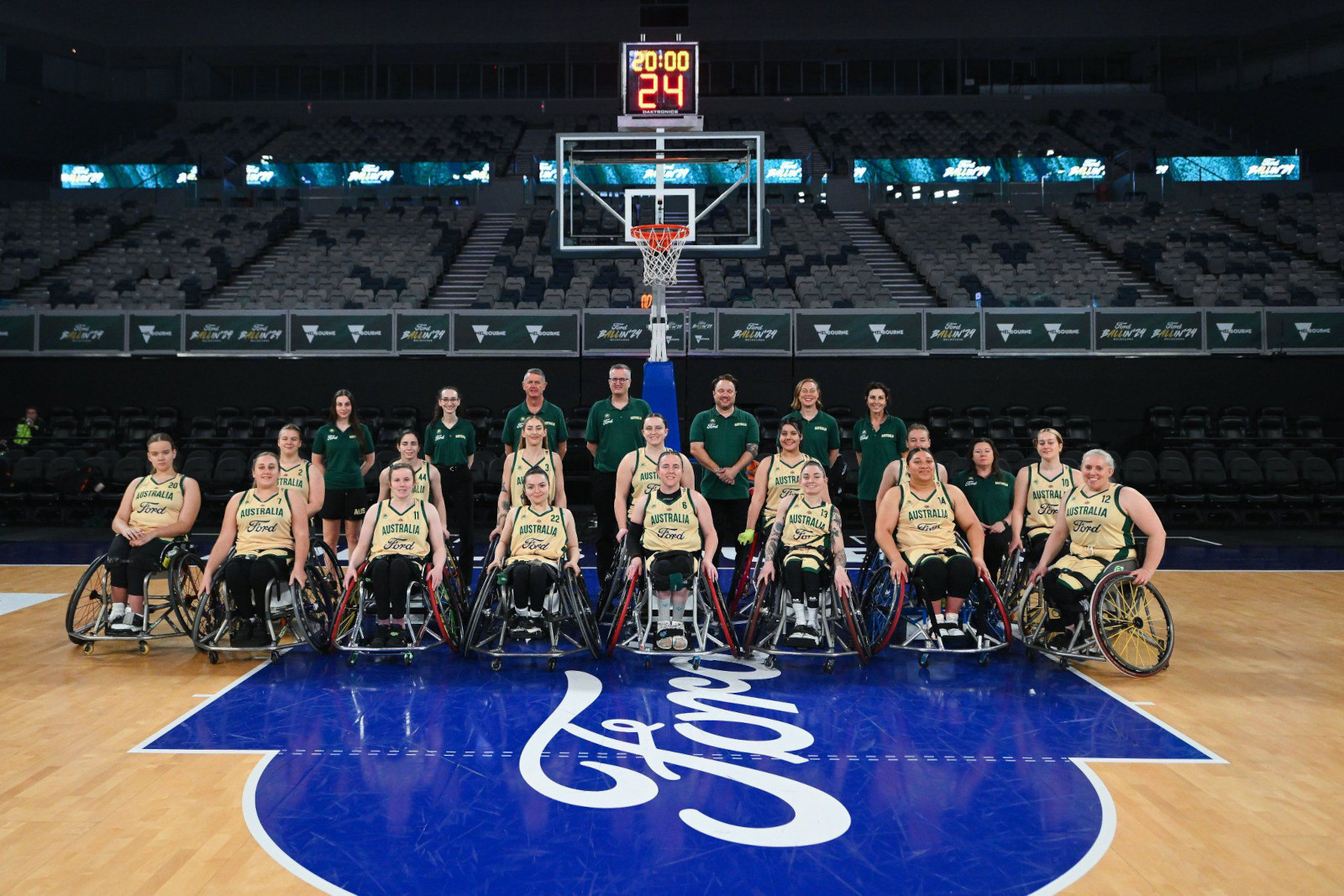
These stories are powerful because they are about more than just basketball. They are about women with disability taking the lead, creating opportunities for others, and showing the next generation what is possible.
When a young girl rolls into a training session and sees someone who looks like her leading the team, it sends a message: You belong here.
Behind this momentum is Wheelchair Basketball Australia (WBA), the organisation Nick now chairs. Established in 2024, WBA was created to lead a new era for the sport, strengthening national competition andcreating clearer pathways for athletes with disability. While WBA is new, the history of elite wheelchair basketball in Australia spans decades. The men’s national league began in 1988, and the women’s in 2000, producing generations of Paralympians and championship-winning clubs. Today, WBA oversees both leagues and works closely with athletes, clubs, and the community to grow participation, support grassroots development, and deliver high- performance success.
Watching the sport is a thrill in itself, whether you are cheering from the stands or tuning in online. National league games attract passionate local crowds, and you can stream matches at wba.net.au. Finals have even been shown on Kayo Sports (kayosports.com.au), and the Paralympics bring wheelchair basketball to screens nationwide. For young players, seeing athletes who look like them competing at such a high level can be the spark that sets them on their own sporting journey.

That spark can be life- changing. Nick has seen it happen countless times, and he still remembers the first moment he saw athletes in wheelchairs living full, independent lives. “It was the glimpse into the future I didn’t know I needed,” he says. Now, he wants more kids to have that same moment of recognition – the moment they see themselves not just as someone with a disability, but as an athlete, a teammate, and a competitor.
Nick’s advice? “You won’t regret it. Just come and try. At worst, you’ll have a fun day and meet new people. At best, it becomes the thing that shapes your life.”
5 tips for kids who want to try wheelchair basketball, from Nick Taylor, Paralympic Medallist and Chair of Wheelchair Basketball Australia
1. Come with an open mind
You might not be amazing on your first day, and that’s okay. Nick says learning the chair skills, ball control, and game strategies takes time. The most important thing is to give it a go and see what you enjoy.
2. Be ready to work hard
Wheelchair basketball is fast and physical. You’ll build fitness, strength, and stamina, but only if you’re willing to push yourself in training and games.
3. Embrace teamwork
Every player has a role, no matter their classification. Success comes from working together, communicating on court, and supporting your teammates on and off the floor.
4. Ask for help and learn from others
More experienced players have been where you are. Don’t be afraid to ask questions, get tips, or watch closely how they move and handle the game.
5. Focus on the fun and the friendships
Nick says that even if you don’t stick with it long-term, you’ll still meet new people, make friends, and have a great time. And who knows? It could become the thing that shapes your life.