Life after school: Helping young people with intellectual disability build confidence, routine and independence
ADVERTORIAL
Endeavour Foundation has been supporting people with intellectual disability to live, learn, work and connect for 75 years.
They understand that the transition from school is not just a milestone for young people. It is a significant change for families too.
Leaving school is a milestone worth celebrating.
It marks the beginning of a new chapter filled with opportunities to learn, grow and become more independent.
For many families, though, it can also bring uncertainty.
When the structure of school finishes, it is natural to wonder what comes next.
How will your young person spend their days? How will they stay connected with friends? What opportunities are available to help them continue building confidence and independence?
The good news is that life after school does not need to be planned all at once.
Taking small, meaningful steps can help create a future that feels positive, purposeful and rewarding.
Why the Transition Matters
For years, school has provided a familiar routine.
There have been regular activities, supportive teachers, friendships and opportunities to learn new skills every day.
When that routine changes, many young people with intellectual disability can feel unsure about what comes next.
Families often notice a loss of confidence or motivation while everyone adjusts to a different pace of life.
This is a common experience, but it does not have to last.
With the right support, young people can continue learning, developing new skills, making friends and discovering interests that bring purpose to each day.
Five Ways to Build a Positive Routine After School
1. Start Planning Before School Finishes
Where possible, begin exploring options six to twelve months before school finishes.
Early planning gives families more time to visit services, ask questions and choose supports that align with their young person’s goals.
The final year of school is a great time to begin exploring what comes next.
Talk with teachers, support coordinators and NDIS providers and your support network about the options available.
Visiting community programs or trying new activities before graduation can make the transition feel much more familiar.
2. Build a Weekly Routine
A consistent routine creates confidence.
Simple things like getting up at the same time each day, planning activities throughout the week and setting small goals can provide structure while encouraging greater independence.
Remember, every routine looks different. The goal is not to fill every hour, but to create a week that feels balanced and enjoyable.
3. Stay Connected with Your Community
One of the biggest changes after school can be the loss of regular social connections.

Finding opportunities to meet new people, join community activities, volunteer or participate in group programs can help young people continue building friendships and confidence while developing important life skills.
4. Keep Learning New Skills
Learning does not stop when school ends.
Whether it is cooking, art, technology, fitness or developing everyday living skills, continuing to learn helps young people grow in confidence while discovering new interests and strengths.
Programs that encourage skill development in supportive environments can also help prepare young people for future employment, volunteering or greater independence.
5. Celebrate Progress
The transition to adulthood is not a race.
Every new friendship, every skill learnt and every step towards greater independence is something worth celebrating.
Small achievements build confidence over time and help create a future filled with possibility.
Finding the Right Support
Every young person with intellectual disability has different goals, interests and support needs.
The best support is the support that matches your young person’s interests, strengths and long-term goals.
There is no one-size-fits-all pathway after school.
Some may be ready to explore employment pathways, while others may want to focus on building confidence, learning everyday life skills or becoming more involved in their local community.
At Endeavour Foundation, Learning and Lifestyle programs, Community Participation supports and employment pathways are designed to help people continue learning, stay connected and work towards the goals that matter most to them.
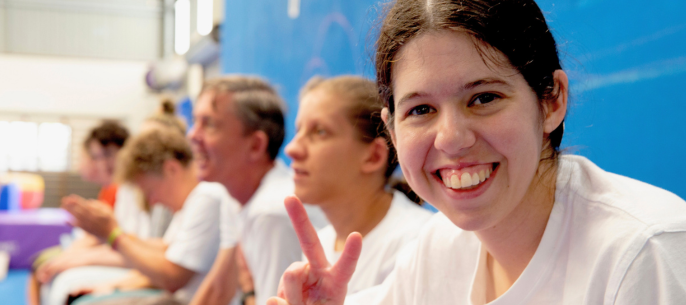
For Kay, joining Endeavour Foundation’s Bowen Hills Learning and Lifestyle Hub, has opened the door to new friendships and an active, connected routine.
“I have stacks of friends here. I love the place. I love the programs.”
– Kay
Bowen Hills Learning and Lifestyle Hub participant
Sometimes, the most important part of like after school is simply finding somewhere you belong. For Kay, that has meant making friends, enjoying new experiences and continuing to grow.
Your Next Step
There is no single path after school, and there is no perfect timeline.
What matters most is taking the first step towards building a routine that supports confidence, connection and independence.
To help you get started, download this free Post-School Planner from Endeavour Foundation. It is designed to help families map out a weekly routine, explore new opportunities and start planning for the exciting journey ahead.
Download the free Post-School Planner now to map out a weekly routine, explore new opportunities and start meaningful conversations about life after school.
This article was originally published online at endeavour.com.au. Endeavour Foundation helps people with disability reach their potential through quality, person-centred supports and tailored NDIS guidance to achieve the best outcomes. Find out more and get in touch at endeavour.com.au