Source AT files: beyond function
In early intervention, equipment plays a critical role in supporting your child’s development, mobility and participation. Traditionally, the focus of assistive devices has centred on clinical function — posture, positioning, durability and safety. And of course, those things matter. But there’s growing recognition of another equally important factor: how the equipment actually looks and feels in everyday life.
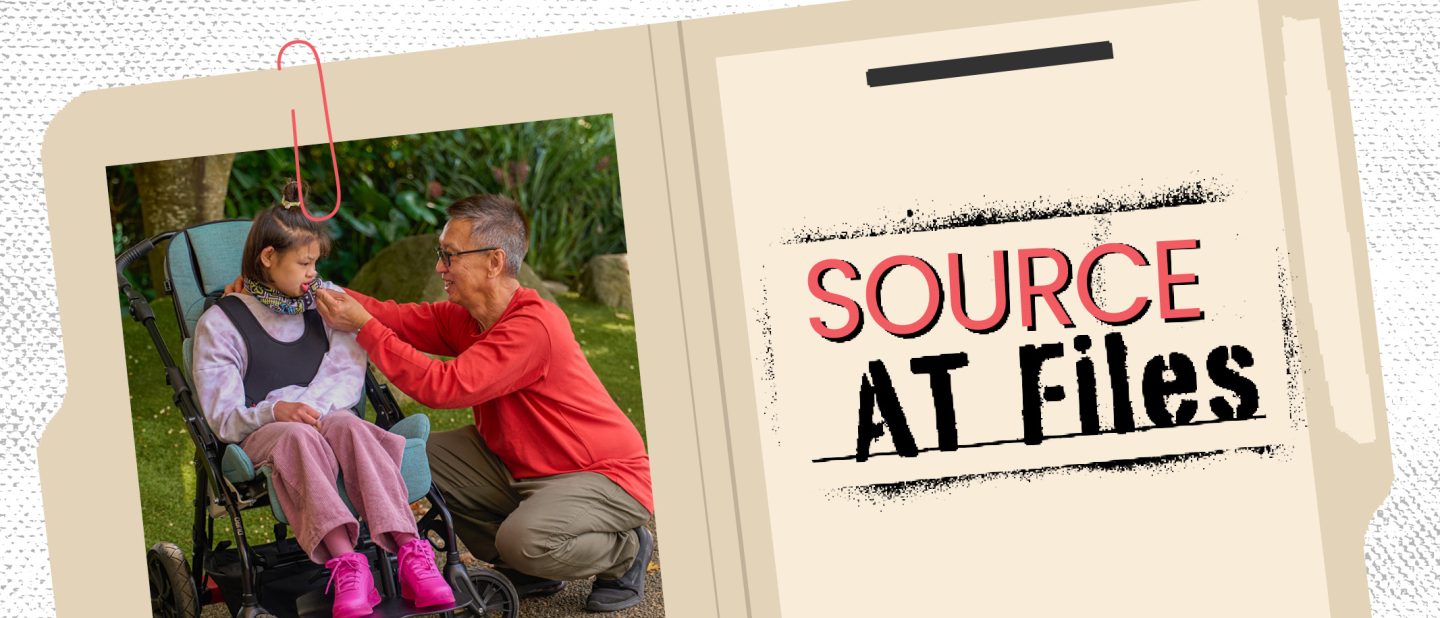
For families engaging in early intervention services, equipment isn’t used in isolation. It becomes part of your day-to-day world — at home, in therapy sessions, at childcare, in parks and out in the community. When mobility aids or supportive seating visibly resemble medical devices, they can unintentionally create social and emotional barriers, not just for children but for parents too.
Aesthetic design in assistive equipment refers to products that feel contemporary, streamlined and integrated into everyday environments. Rather than appearing overtly clinical, these devices blend form and function — supporting therapeutic outcomes while reducing the visual stigma sometimes associated with medical equipment.
For young children especially, social perception plays a significant role in confidence and participation. Equipment that looks similar to mainstream products can promote inclusion and peer acceptance. In early learning environments, where curiosity and comparison are natural, subtle design differences can make a meaningful impact. When a stroller, chair or mobility device appears modern and child-friendly rather than institutional, it supports a sense of belonging.
Families also benefit from equipment that integrates aesthetically into daily life. Early intervention can be an emotional journey. Introducing equipment into your home can feel both practical and deeply personal. Devices that appear highly medicalised may reinforce feelings of difference or dependency. Conversely, thoughtfully designed products that align with contemporary design standards can feel empowering rather than confronting.
Importantly, good aesthetics do not mean sacrificing clinical integrity. Modern manufacturing techniques and material innovations allow equipment to maintain high levels of support while presenting a lighter visual footprint. Aluminium frames, clean lines, neutral colour palettes and refined fabric choices can transform the overall impression of a device without changing its therapeutic function.
There’s also a practical side to thoughtful design. Equipment that feels less clinical may be used more consistently. You might feel more comfortable bringing it into community spaces, social gatherings or when travelling. That increased use supports therapy carryover — enabling your child to practise positioning, endurance or mobility goals outside structured sessions.
Early intervention today increasingly takes a holistic view. Supporting development isn’t limited to physical alignment or motor skills. Emotional wellbeing, family confidence and social inclusion are equally important. Equipment that respects these dimensions contributes to a more complete support approach.
Aesthetic design also aligns with the growing emphasis on dignity in disability care. Children deserve equipment that reflects their personality, age and individuality — not devices that only highlight a diagnosis. When assistive products are designed with both function and form in mind, they communicate value and respect for the child using them.
As the assistive technology sector continues to evolve, design is becoming part of the conversation rather than an afterthought. Families are increasingly seeking solutions that meet therapeutic needs while also fitting seamlessly into their homes and lifestyles. Manufacturers and providers who prioritise aesthetic integration are recognising that appearance influences experience.
In early intervention, where equipment may be introduced during formative years, thoughtful design can shape how children see themselves and their place in the world. By balancing clinical performance with contemporary aesthetics, assistive equipment can move beyond purely medical function and become a natural part of everyday childhood.
For more information about early intervention equipment and supportive mobility solutions, contact the team at Alivat on 1300 156 474 or visit alivat.com.au