The ABCs of functional capacity assessments
“Four years. That’s how long my daughter had been on the same NDIS plan. It was the right fit for a while, but once she hit her mid-teens, suddenly it wasn’t.”
My daughter was 11 when her most recent plan began. Funding covered what she needed, the supports were okay, and I’m sure you’ll know what I mean when I say that it was easier to let it roll over year after year rather than deal with all the drama of the new rules, LAC communication and paperwork. But as she’s gotten older, my daughter’s needs and goals have obviously been growing with her. Therapies, support needs, and even how she managed her day- to-day life needed to be much more age and developmental-level appropriate.
So, when it came to her most current review period, I decided a Functional Capacity Assessment (FCA) was probably the best way we could demonstrate her current needs and abilities.
WHAT IS A FUNCTIONAL CAPACITY ASSESSMENT AND WHEN MIGHT ONE BE NEEDED?
A Functional Capacity Assessment (FCA) is a comprehensive evaluation of an individual’s ability to perform daily activities. For children with disabilities, this assessment looks at their functional strengths, challenges, and the types of support they might need to participate fully in their communities. It offers insight into a child’s abilities and limitations, helping to shape individualised support plans.
An FCA might be needed when applying for or reviewing NDIS funding. It helps the NDIS understand what supports your child requires to meet their goals, increase independence, and engage in everyday activities. It may also be requested by healthcare professionals, educators, or therapy teams when they need a clearer understanding of your child’s needs.
Note: At the time of writing, from mid this year, Independent Assessments will become the main tool used for assessing NDIS participant needs, formulating plans and allocating funding for those over 16. FCAs (alongside therapists’ reports, carer statements, etc.) will most likely still be highly relevant for children under 16.
WHAT HAPPENS DURING AN ASSESSMENT FOR KIDS?
What kind of things are evaluated?
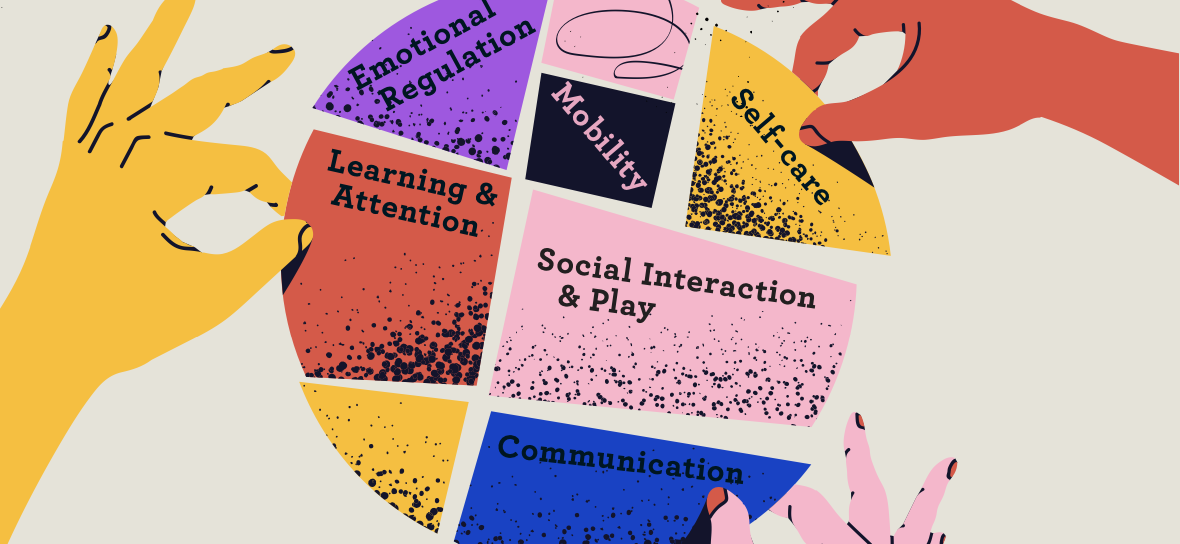
During an FCA, a trained professional observes and interacts with your child to understand their functional abilities in various domains. The assessment typically covers:
Communication: How your child expresses themselves, their ability to understand language, and use of communication aids.
Mobility: How well they move around, including walking, using a wheelchair, or transferring between positions. Self-care: Activities like dressing, feeding, and personal hygiene.
Social interaction and play: How your child interacts with others and engages in play or recreation.
Learning and attention: How they process information, focus, and follow instructions.
Emotional regulation: How your child manages emotions and handles stress or changes in routine.
The assessment is conducted in a child-friendly way, often through play, tasks, and conversation, depending on your child’s needs and age.
HOW IT’S DONE
Direct observation: The assessor watches your child performing everyday tasks at home, in the community, or in a clinic. My daughter, for example, went shopping with her OT in order to demonstrate her awareness and abilities in the community, showed her around her bedroom at home, and did some basic meal prep in the kitchen.

Structured tasks and activities: Designed to see your child’s abilities in action – like transferring from a chair to a bed or completing a self-care task (my daughter showed how she put on clothes). Parent/caregiver questionnaires: For insight into daily routines, challenges, and functioning outside the assessment setting.
Interviews: Sometimes teachers, therapists, or other carers are asked for context.
Duration: Typically 3 or more hours, sometimes split across sessions if your child needs breaks or gets tired. You’ll probably spend more time answering the different questionnaires that make up the assessment too.
WHO CAN PERFORM AN ASSESSMENT?
In Australia, FCAs can be conducted by qualified professionals, including:
➜ Occupational Therapists (OTs)
➜ Physiotherapists
➜ Speech Pathologists
➜ Psychologists
These professionals are trained to assess how disability impacts a child’s functional abilities. It’s crucial to ensure the assessor has experience working with children and is registered with the appropriate professional body.
WHAT WILL I SEE IN THE REPORT?
The FCA report will provide detailed information on your child’s current functional abilities and areas of need. It will run over many changes (ours came in at 48) and it usually includes: • A summary of your child’s strengths challenges
- Recommendations for therapies, supports, assistive devices, or environmental modifications
- Suggestions for skill development and ways to support your child’s independence
- Insights into how your child’s disability impacts day-to-day life and participation in activities
- This report becomes an important piece of evidence for NDIS planning and funding.
HOW OFTEN SHOULD A FCA BE UNDERTAKEN?
An FCA should be completed:
Before major NDIS plan reviews: To update the NDIS on any changes in your child’s abilities
When significant changes occur: If your child’s functional abilities improve or decline, or if they’ve acquired new skills that need to be factored into their support plan.
Generally, every couple of years is recommended unless there’s a specific need for more frequent assessments.
FINAL WORDS OF ADVICE
An FCA is a collaborative process. Speak openly with the assessor about your concerns and goals for your child. Remember that the assessment may feel confronting as it often highlights so much that they can’t do, but ultimately, it’s about finding the right supports to help them thrive.
And what about us, I hear you ask? Well, my daughter took all the assessments in her stride; I had to do that mum thing and suck up all the feelings that came up seeing everything she couldn’t do compared to her peers. And the new plan? Still stuck in the NDIS queue, would you believe it. The old plan rolled over while we wait. Frustrating, and so NDIS typical, but at least now we have the evidence that will hopefully make the next plan actually fit her life. I’ll let you know how we go.