Unlocking access with the MLAK
What’s the deal with the MLAK? A simple tool making public spaces more accessible
It doesn’t look like much. Just a standard silver key, the sort that rattles around at the bottom of every bag. But for people with disability – and the families and carers who travel with them – this one opens doors that are too often closed.
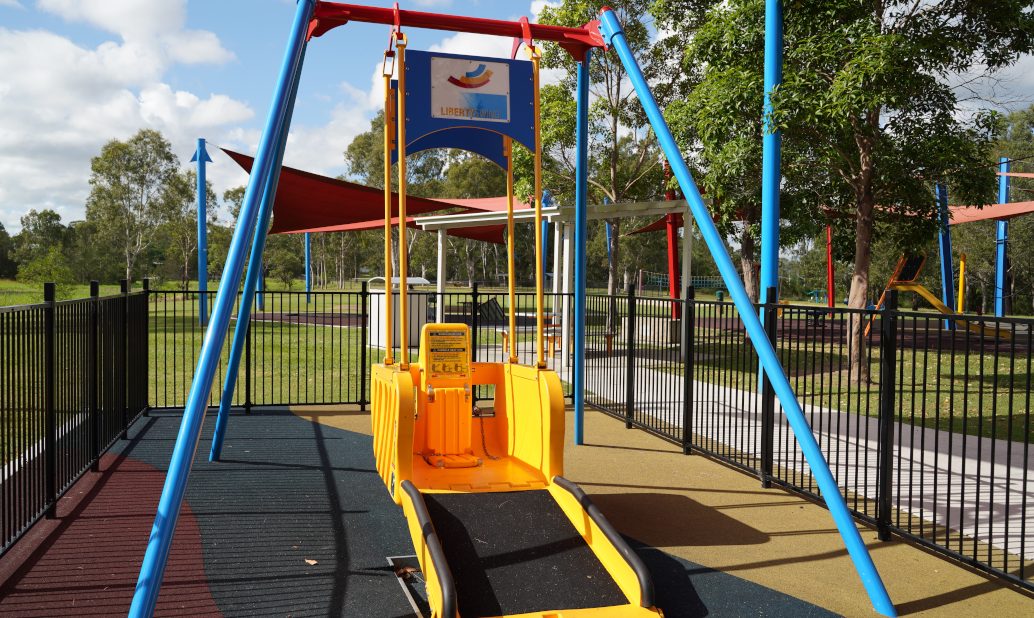
The MLAK, short for Master Locksmiths Access Key, has been part of the landscape in Australia since the 1990s. Councils brought it in after realising that locking accessible facilities – toilets in parks, playground equipment like Liberty swings, lifts in shopping centres – kept out the vandals but also shut out the very people they were built for. The MLAK was the compromise: hand it to the people who need it, keep the locks in place for everyone else.
It’s not flashy, and it’s not free. To get one, you need to apply through the Master Locksmiths Association, usually with a form signed off by a doctor or disability organisation. From July 2025, the price is $64 (plus GST). In some places, there are workarounds: Companion Card holders in Victoria and South Australia can get one free, and a handful of councils cover the cost for residents. But in most cases, it’s down to you to order it, wait for the post, and add another key to the ring. If your goals allow, you may also be able to fund the key through your NDIS plan.
Does the key solve everything? Not quite. There’s no national rule saying every locked accessible toilet or piece of equipment has to use the MLAK system, and some places still rely on staff with a spare key. But there are tools to make things easier. The National Public Toilet Map includes many MLAK-enabled bathrooms and is surprisingly handy when you’re planning ahead. Some councils also publish their own lists, and out in the wild you can usually spot a facility by the small blue-and-white MLAK logo on the door.
The MLAK system has lasted three decades for a reason: it works. Parents talk about it saving them when their child suddenly needs the toilet and there’s no staff in sight. Wheelchair users say it gives them a sliver of independence – no need to explain, no need to wait. It doesn’t break down barriers on its own, but in a world where locked doors are still a daily reality, it helps chip away at them.
It’s only a key. But sometimes that’s all it takes.
MLAK: QUICK FACTS
What it is: The Master Locksmiths Access Key (MLAK) unlocks a range of public facilities across Australia, including:
• Accessible toilets in parks, shopping centres, and transport hubs
• Changing Places bathrooms
• Liberty swings and other inclusive playground equipment

• Accessible lifts in public buildings and shopping centres
• Some mobility scooter storage and charging areas
• Accessible picnic shelters or seating areas in parks
Why it exists: Many accessible amenities are locked to prevent vandalism. The MLAK system gives people with disability (and carers) independent access without needing staff.
Who can get one: People with disability and their carers. You’ll need to complete a form confirming eligibility (usually with a doctor or disability organisation).
Cost: $64 (excl. GST) from 1 July 2025. Some councils subsidise keys. Companion Card holders in SA and VIC may be eligible for a free key.
Where to apply: Through the Master Locksmiths Association of Australasia. masterlocksmiths.com.au/mlak
How to spot facilities: Look for the MLAK symbol on doors, or check the National Public Toilet Map and some council websites that publish their own MLAK lists.