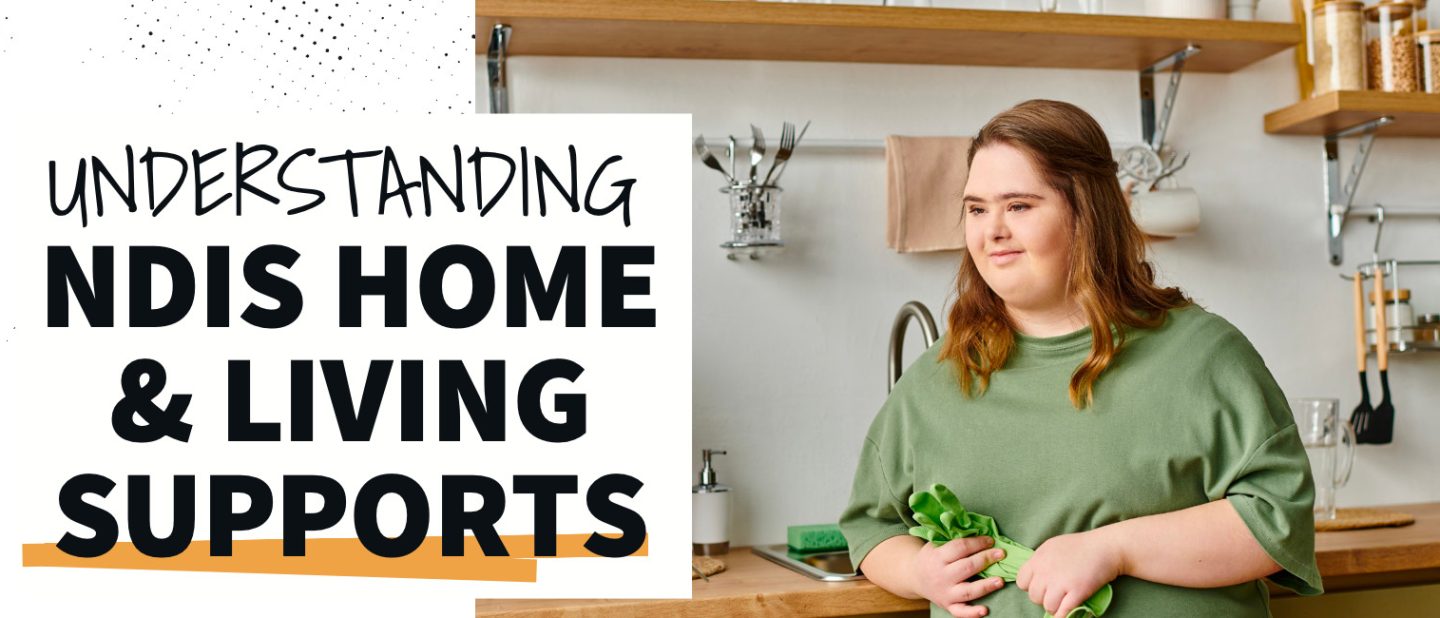
Understanding NDIS home and living supports
Moving out of home is a big step for any young person. For families navigating the NDIS, it can also come with a lot of questions. What supports are available? How do you start planning? And what does more independence actually look like in practice? Read on as our friends at Leap in! provide us with some answers.
WHAT ARE NDIS HOME AND LIVING SUPPORTS?
Home and living supports are designed to help your teen or young adult live as independently as possible in a home that suits their needs.
These supports can look different for everyone and may include a mix of funded supports, as well as housing or community services outside the NDIS.
WHAT TYPES OF HOME AND LIVING SUPPORTS CAN THE NDIS FUND?
Depending on your child’s needs and goals, the NDIS may fund different types of supports, including:
Assistance with Daily Life: Covers help with everyday tasks such as meal preparation, cleaning and personal care. Home Modifications: Structural changes to a home to improve accessibility and safety such as installing ramps, handrails or widened doorways.
Individualised Living Options (ILO): Flexible supports that allow your young adult to live in a way that suits them, such as living with family, housemates or on their own.
Supported Independent Living: Funding for people with higher support needs that require some level of help at home all the time, often living in shared accommodation.
Medium Term Accommodation (MTA): Transitional housing designed for people awaiting permanent housing solutions, typically funded for up to 90 days.
Specialist Disability Accommodation (SDA): Purpose-built housing designed for people with high support needs, providing an accessible and safe living environment.
Good to know: The NDIS funds disability-related supports, not housing costs. If your young person lives in or is moving to a rental property, home modifications may still be possible, but you will need the landlord’s permission before applying.

WHAT WON’T THE NDIS FUND?
The NDIS won’t cover everyday living costs or general housing expenses. This includes:
- Day-to-day living costs such as rent, groceries, utilities and household items
- Purchase of land, or house and land packages.
- Standard household items, appliances, tools, garden products and furniture
- Standard fixtures or fittings, including standard home security and maintenance or repair costs.
- Mobile homes, caravans, campervans and tents.
- Housing for people with disability other than those eligible for specialist disability accommodation.
Some supports also fall outside the NDIS and are provided by other systems. These include social and community housing, homeless and emergency accommodation services and Commonwealth Rent Assistance, which helps with the cost of housing.
HOW DO I GET HOME AND LIVING SUPPORTS INCLUDED IN MY CHILD OR YOUNG PERSON’S PLAN?
If you’re thinking about future living arrangements, it’s worth starting the conversation early with your NDIS planner or local area coordinator (LAC). There are two main ways supports can be included. The first is to make sure home and living is reflected as a goal in their plan. For example: “I want to live more independently in a home that meets my accessibility needs.”
Second, if your young person’s plan does not include these goals or supports, and their needs have changed, you may be able to request a plan reassessment or, in some situations, a plan variation. You can do this using the Change of details or change of situation form, by calling the NDIS on 1800 800 110 or by speaking to your child’s LAC.
WHAT EVIDENCE IS NEEDED?
- When asking for home and living supports, providing clear information about your young person’s needs and circumstances can make a real difference in helping the NDIS assess your situation. Some of this evidence will need to come from an allied health practitioner, so it’s a good idea to have a chat with your child’s therapists first.
- If you’re requesting home and living supports for the first time, the evidence should include:
- Their daily support and housing needs, detailing how often and when they need support. Keeping a daily diary or log of these support needs can be helpful.
- Their functional capacity, which means what they can and can’t do because of their disability and how this affects their daily life and housing needs.
- The other home and living options you’ve considered and why they don’t meet their disability-related support needs. If you’re asking to change home and living supports already in your child’s plan, the evidence should be recent (after their last NDIS Plan was approved) and explain:
- Major changes to their daily support and housing needs including any new tasks they can or can’t manage on their own.
- Updates to their functional capacity and how these changes impact their daily life and housing needs.
There is a supporting evidence form that you can complete to provide more information. It’s not required but ensures the NDIS has all the information needed to make a decision.
LEAP IN! CAN HELP
If you think home and living supports may be right for your young person, it’s worth having plan management included in their NDIS Plan. The team at Leap in! can help make the most of their supports, connect them with providers and manage payments on their behalf. Learn more at leapin.com.au