Silent screams: to our systems of support – SOS
Dear Government, can’t you hear us screaming? Are our screams silently swallowed by the relentless noise of systems that are supposed to support us? Hear us, for we are collectively distraught, distressed and exhausted. We are crying for help, but secretly we know, no one is coming.
I write this in the shadow of sadness and in reflection of the shear cost to humanity our ‘support’ systems are inflicting upon us. In recent weeks, Australia has been confronted by an unimaginable tragedy involving two children with profound disability and the parents who loved them. While the details are distressing, what sits beneath this event is not unfamiliar to many families raising children with complex needs. It is the quiet, constant and cumulative pressure of caring without relief, struggling with systems that constantly shift, in a landscape that is ever changing.
Our systems are suffocating under the weight of themselves. Falling short in their intention and execution. And leaving a nation holding its collective breath in anticipation of what comes next. Once again, decisions about how childhood disability will be categorised, funded and supported are being decided at unprecedented rates with vague and undefined parameters. Thriving Kids, to be rolled imminently, exemplifies this. Those of us who study policy know that this is a rollout without detailed objectives, without clear communication and with no concrete commitments to meaningful change.
Categorically, the cost of this shortsighted thinking will be worn by carers.
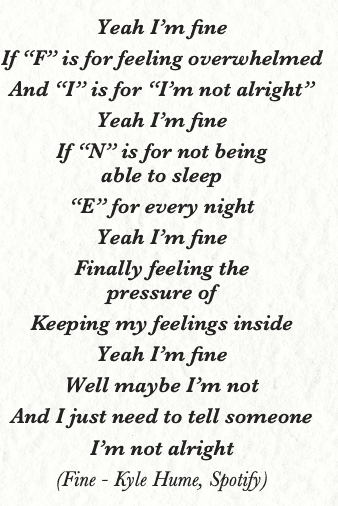
Carers are often described as resilient, strong, and tireless. While these qualities are real, they can also become a trap. Strength is celebrated, but struggle is silenced. Many carers robotically answer, “I’m fine” when in fact their world is imploding.
In part, this is because the systems designed to support our families were designed for individuals, not children in families. We need to urge systems to understand that children do not exist in isolation. Parental wellbeing, sibling needs, and household stability are determinants of child outcomes.
For our children to be well supported, our systems need to legislate family wellbeing as a core metric and funding models should explicitly target care-giver sustainability, sibling well-being, and family functioning. Practically, this looks like funding of family supports as disability supports, reduced administrative burden, and crisis thresholds to extra supports for triggers like sleep deprivation, increased hospital admissions, or carer mental health risk.
While I don’t want to add to your workload, no-one knows your strain like you do, and we need you to scream louder. Help yourself and your child’s therapists to support and advocate for you, by:
Mapping your actual load, not your idealised one. Write down every care task, coordination task, advocacy task, and emotional labour role you hold. Use this to justify funding, respite, school supports, and extended family help – your workload is evidence.
Formalise informal supports. Ask schools, therapists, extended family, and community groups to document what they provide. Written evidence strengthens NDIS plans, appeals, and crisis requests.
Escalate early, not late. If sleep deprivation, mental health strain, or care demands exceed capacity, request urgent plan reviews or crisis supports before collapse. Systems respond to documented risk.

Share advocacy labour. Join parent networks or peer groups to divide tasks like submissions, complaints, and policy responses. Collective voice reduces individual burnout and increases impact.
Build a “failure buffer.” Identify at least two backup carers/services for emergencies (formal respite, paid carers, extended family, short-term accommodation). Planning for breakdown is not pessimism – it is safety planning.
It is OK to not be ok. It is better to speak out than suffer in silence. Spot the signs of crisis early – and act.
By Monique Power, Founder – Rippleability. Co-written with Dr. Michelle Olaithe, Clinical Director at RippleAbility .
RippleAbility is a paediatric specific disability provider, helping families navigate complex systems of support and build their capacity to advocate for appropriate supports and services for their child. Email: [email protected] | rippleability.org